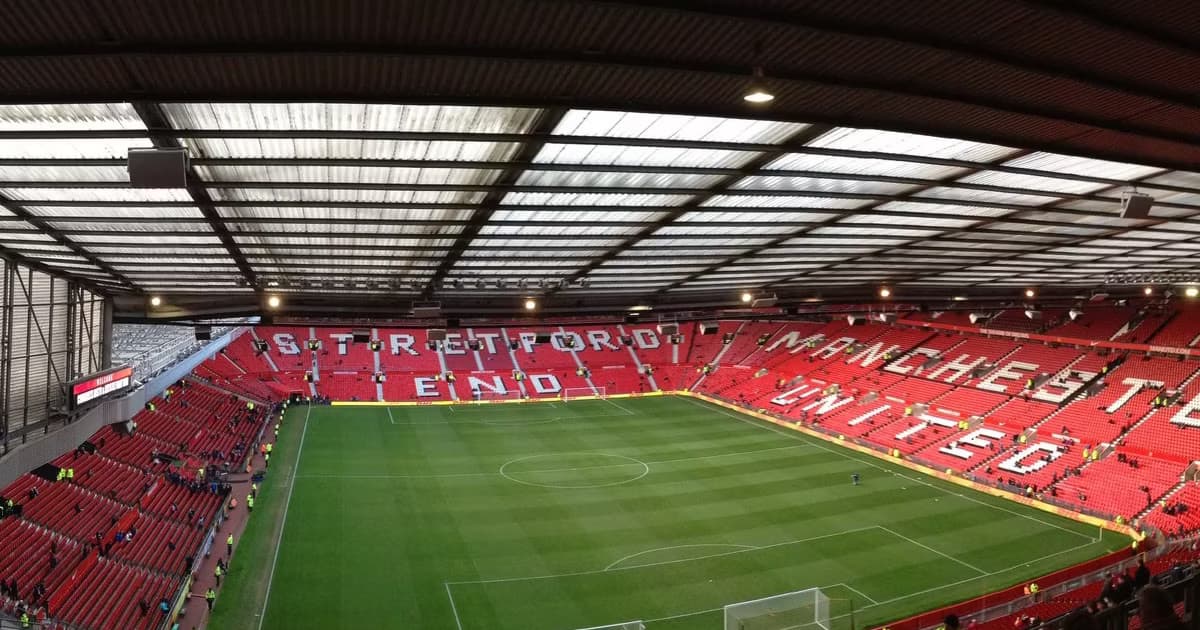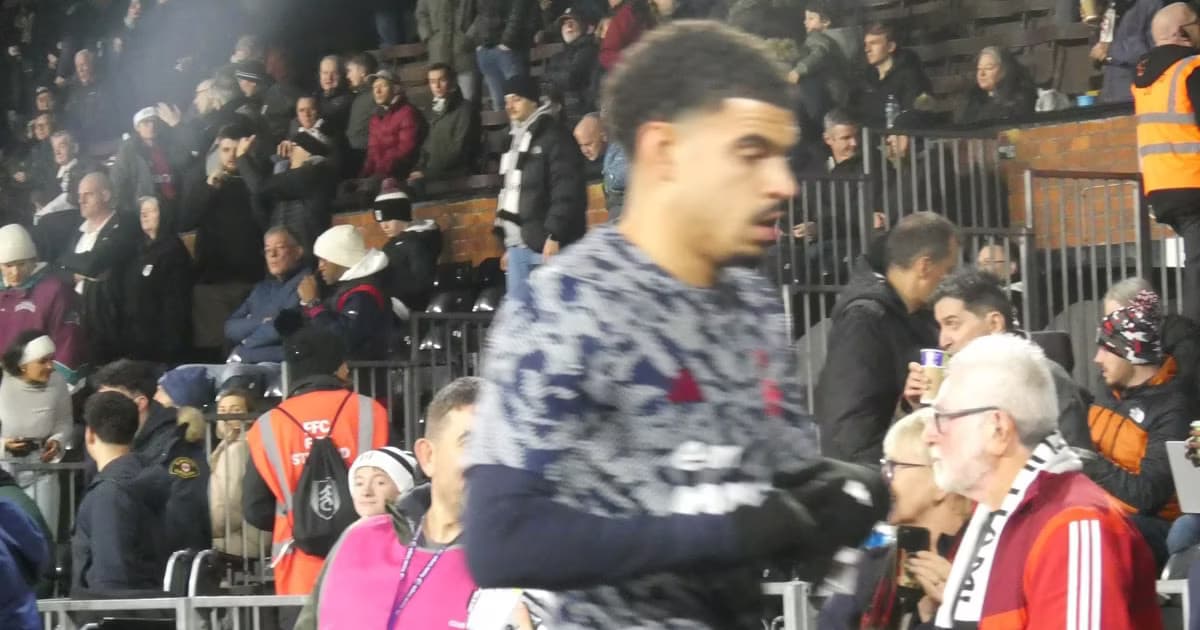

Unai Emery had already walked down the touchline and into the Old Trafford tunnel by the time the argument started. Patrick Dorgu's header in the sixth minute of stoppage time made it Manchester United 4, Aston Villa 4 on Sunday, and within hours Villa had turned the goal into a question about the Premier League's own rulebook: whether United goalkeeper Senne Lammens, who had gone forward for the final corner, was allowed to back into Zion Suzuki before the ball arrived.
What Villa are claiming
Villa led 2-0 inside four minutes and 4-2 going into stoppage time. Joshua Zirkzee made it 4-3 in the 92nd minute, and from Bruno Fernandes' corner in the 96th, Suzuki failed to claim the ball and Dorgu headed in from close range. A VAR check followed and referee Chris Kavanagh's goal stood. Suzuki was booked for his protests.
Emery's first explanation for leaving early was about the clock, not the officials. "They score in minute 96, the referee added six minutes. I thought the game was done," he said. When Sky Sports' Patrick Davison asked whether he felt the goal was unfair, he cut him off: "Not unfair, please."
His complaint came later, and it was about where the game is played. "How we conceded this last goal, it is adaptation for Suzuki," Emery told reporters. "They are pushing and disturbing him. Other countries, they do not permit it. Here, yes."
Damian Vidagany, Villa's director of football operations, went further on X. He wrote that clubs had been told by referees over the summer that deliberately unbalancing or pushing a goalkeeper in the six-yard box "was not going to be allowed anymore" this season. "Lammens not even look at the ball, went straight to do a contact with the hip over Zion," he added. "But the rules are the rules and must be respected."
What the Premier League actually wrote
Vidagany is not inventing the briefing. Before the season, the Premier League published its "Refereeing Points of Emphasis" for 2026-27, and one of the five reads: "Place a greater focus on challenges on goalkeepers where the attacking player clearly and unfairly impacts the ability of goalkeeper to move to ball."
The fuller wording is closer still to Villa's description. Challenges on goalkeepers, the league said, "will be penalised where an attacking player makes a clear action with no intent to play or challenge for the ball which results in contact that impacts the ability of the goalkeeper to play or challenge for the ball." If, as Vidagany alleged, Lammens never looked at the delivery and moved into Suzuki with his hip, that is the scenario the sentence describes. That characterization is Villa's — not a published referee finding.
Why the goal still stood
The same documents also explain the opposite outcome. The league's first football principle for the season is to "maintain high threshold for penalising challenges — not every contact is a foul." The officials' guidance for 2026-27 says that "being in the way of an opponent is not the same as moving into the way of an opponent," and that normal contact and genuine challenges will still be allowed.
PGMO chief Howard Webb was blunter in August. "Contact is still part of the game, we still maintain the high threshold," he said, and BBC Sport summarized the league's position by saying fans should "not expect goals to be ruled out if a keeper gets a bump when they are not playing the ball." The clear example Webb gave of what would be penalized was a goalkeeper having his arm movement restricted.
That is the gap Villa fell into. On the field, Kavanagh allowed the goal. After a brief VAR check, Craig Pawson did not overturn it. Neither official has publicly explained the call beyond the goal standing; under the league's high threshold for VAR intervention, a judgment that contact was not clear and obvious enough rarely gets reversed. Roy Keane told Sky Sports that Suzuki "doesn't give himself the best chance" by standing underneath the ball, and Ashley Young said he didn't think there was enough for a foul.
Emery's "other countries" line has a basis too. BBC Sport reported this summer that World Cup refereeing gave goalkeepers greater protection on corners — a stricter standard than the Premier League chose to keep.
The goalkeeper in the middle of it
Suzuki, 24, has a U.S. connection most Villa fans may not know: he was born in Newark, New Jersey, to a Ghanaian father and a Japanese mother before his family moved to Japan. He played for Japan at the 2026 World Cup and joined Villa from Parma on Aug. 19, with the initial fee reported at €30 million. Three years earlier he had turned down a move to Manchester United.
His calling card in Italy included claiming crosses — he ranked among Europe's busiest high-claim keepers last season. Emery defended him on Sunday, saying "Zion is fantastic how he is performing, but there is still work to do," and framing the last corner as something Villa should have defended by protecting him better, not something he alone got wrong.
Villa go into the international break 10th with 13 points, and their next match is at home to Sunderland on Nov. 21. By then, they will know whether a club that publicly quoted the referees' summer briefing gets any response from PGMO. What Sunday showed is that the 2026-27 goalkeeper point of emphasis exists on paper alongside a high threshold for contact — so Villa can quote the summer briefing while the equalizer still stands without a public foul call from the officials.
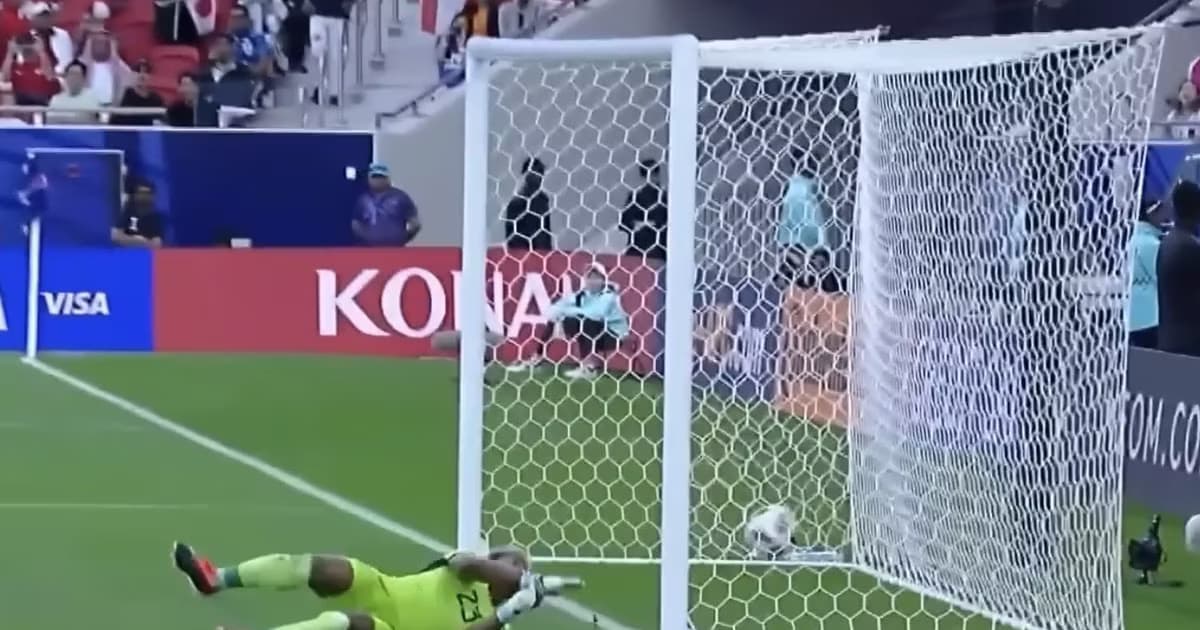
Photo credit: Zion Suzuki for Japan against Indonesia, AFC Asian Cup, Qatar, Jan. 24, 2024. Photo: Timnas Indonesia / Wikimedia Commons, CC BY 3.0; cropped and resized.