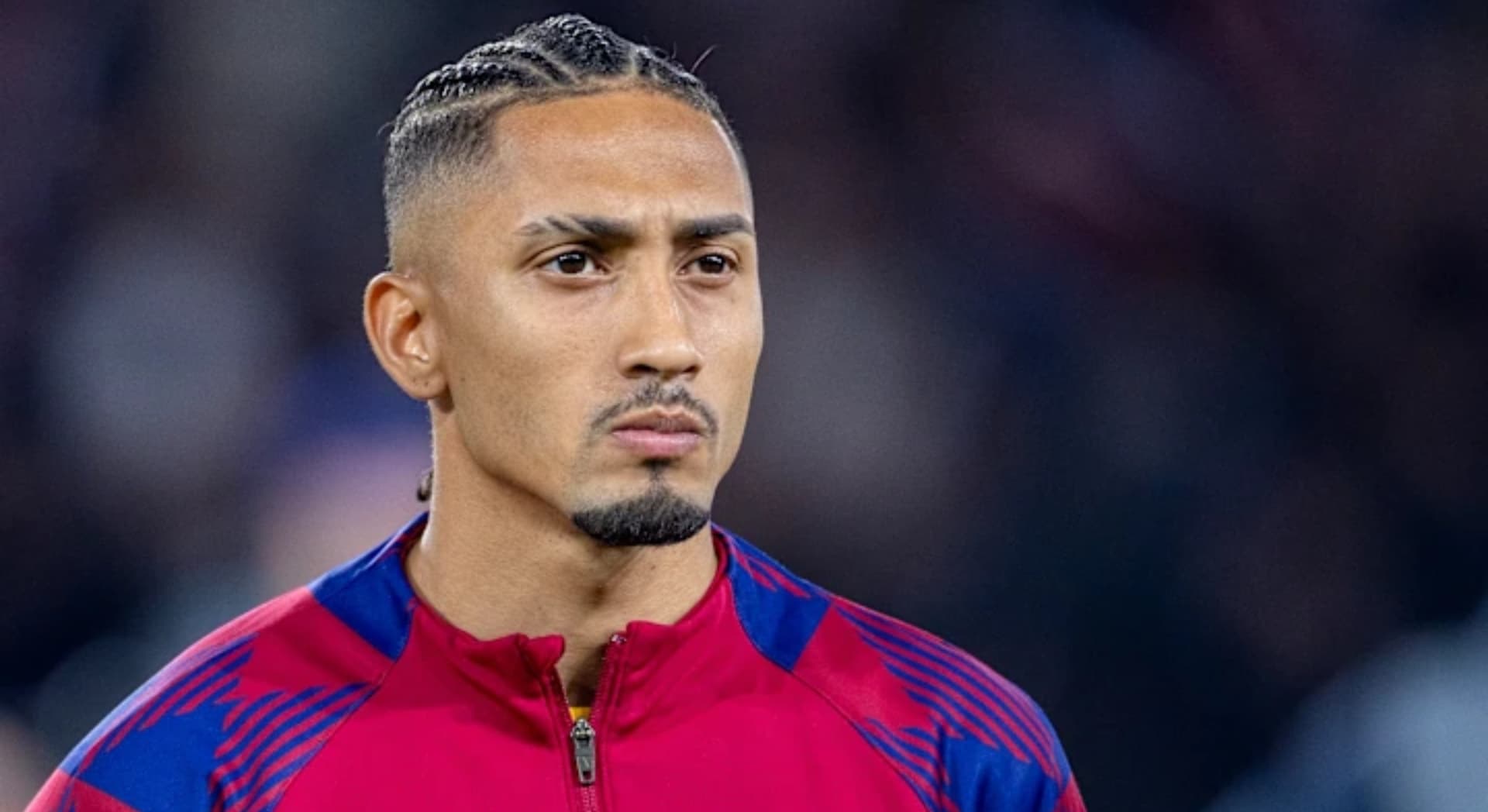

The controversy over the calendar and fixture congestion continues unabated, and now an authoritative voice has raised the stakes. Raphinha, the Brazilian star of FC Barcelona, has set off alarms by fiercely criticizing FIFA for the format and organization of the 2025 Club World Cup. The attacker held nothing back, stating that players deserve their vacation time and, most powerfully, that they were never consulted if they wanted to participate in a competition that adds even more burden to their already grueling seasons.
Raphinha's declarations resonate in a context where exhaustion and fixture congestion have become a recurring theme not only in football but across elite global sports. Leagues like the NFL, NBA, MLB, and even players from the United States national soccer team, have raised their voices about the excessive number of games and accumulated fatigue. The Barça star was blunt: "Many people say Europeans make too many excuses, but giving up holidays is very complicated. It's really bad to give up holidays to be forced to play. At no point were the players asked if they wanted to play it (the Club World Cup)." He concluded with frustration: "Everyone deserves at least three weeks off. It's very hard to be forced to play something without having a choice."
Elite Fatigue: A Cry for Help from the Pitch
Raphinha's words are not an isolated lament but a reflection of a growing concern in top-level football.
- Calendar Saturation: Modern football demands a dizzying pace from its protagonists. An elite footballer competing at the highest level—representing both their club and national team—can play between 50 and 70 matches per season. This figure includes domestic league matches, national cups, continental tournaments like the UEFA Champions League or Copa Libertadores, and international commitments, including friendlies, qualifiers, and major tournaments when they are held (such as the World Cup or continental championships).
- Impact on Performance and Health: Such a volume of matches has a direct impact on the players' physical and mental performance. Accumulated fatigue increases the risk of injuries, diminishes the quality of the spectacle, and affects the long-term health of the athletes. Raphinha emphasizes that "giving up holidays is very complicated," directly impacting their recovery and well-being.
- Comparison with Other Sports: The mention of American leagues like the NFL, NBA, and MLB, where fixture density also generates complaints about "excessive matches and accumulated fatigue," validates the footballers' concern. This is a pervasive problem in professional sports.
Lack of Consultation: The Most Critical Point of Raphinha's Complaint
Raphinha's main criticism is not just the number of games, but how decisions are made that directly affect the game's protagonists.
- "At no point were the players asked": This phrase is the heart of the Brazilian's complaint. It demonstrates a perception of lack of voice and say from the footballers in the planning of tournaments that directly impact their lives and careers. Players feel impositions, not part of the solution.
- The Right to Vacation: Raphinha is clear: "Everyone deserves at least three weeks off." Vacations are not a luxury; they are an essential period for physical and mental recovery, allowing athletes to recharge and avoid burnout. FIFA not considering this in its planning is seen as a lack of respect for player well-being.
- Tension Between Interests: Raphinha's statements highlight the constant tension between the commercial interests of tournament organizers (FIFA, UEFA, CONMEBOL, etc.) and the health and well-being of the players. New formats and the expansion of competitions, like the Club World Cup, aim to maximize revenue and exposure, but often do so at the expense of players' rest.
A Wake-Up Call for FIFA?
Raphinha's words are not just a simple venting; they are a wake-up call that FIFA should listen to carefully.
- The Power of Players: Elite figures have a powerful voice in today's football. When a player of Raphinha's stature speaks publicly on such a sensitive issue, his words gain significant resonance and can influence public opinion and, potentially, the decisions of governing bodies.
- Need for Dialogue: To avoid future controversies and ensure the long-term sustainability of football, it is crucial that FIFA and other organizations open effective channels of dialogue with player representatives (FIFPRO, players' unions, etc.). Ignoring the concerns of the game's protagonists will only increase friction.
- The Future of the International Calendar: The global football calendar has become increasingly dense. The complaints from Raphinha and other players suggest that a deep review and more conscious planning are needed, prioritizing athletes' health over commercial interests, seeking a balance that benefits everyone.
Raphinha's explosive statements are a strong reminder of the pressure elite footballers are under. His criticism of FIFA and the Club World Cup calendar for the lack of consultation and the forfeiture of vacations echoes a global concern. It will be interesting to see if this wake-up call leads to any changes or if, unfortunately, over-scheduling will continue to be the norm in modern football.