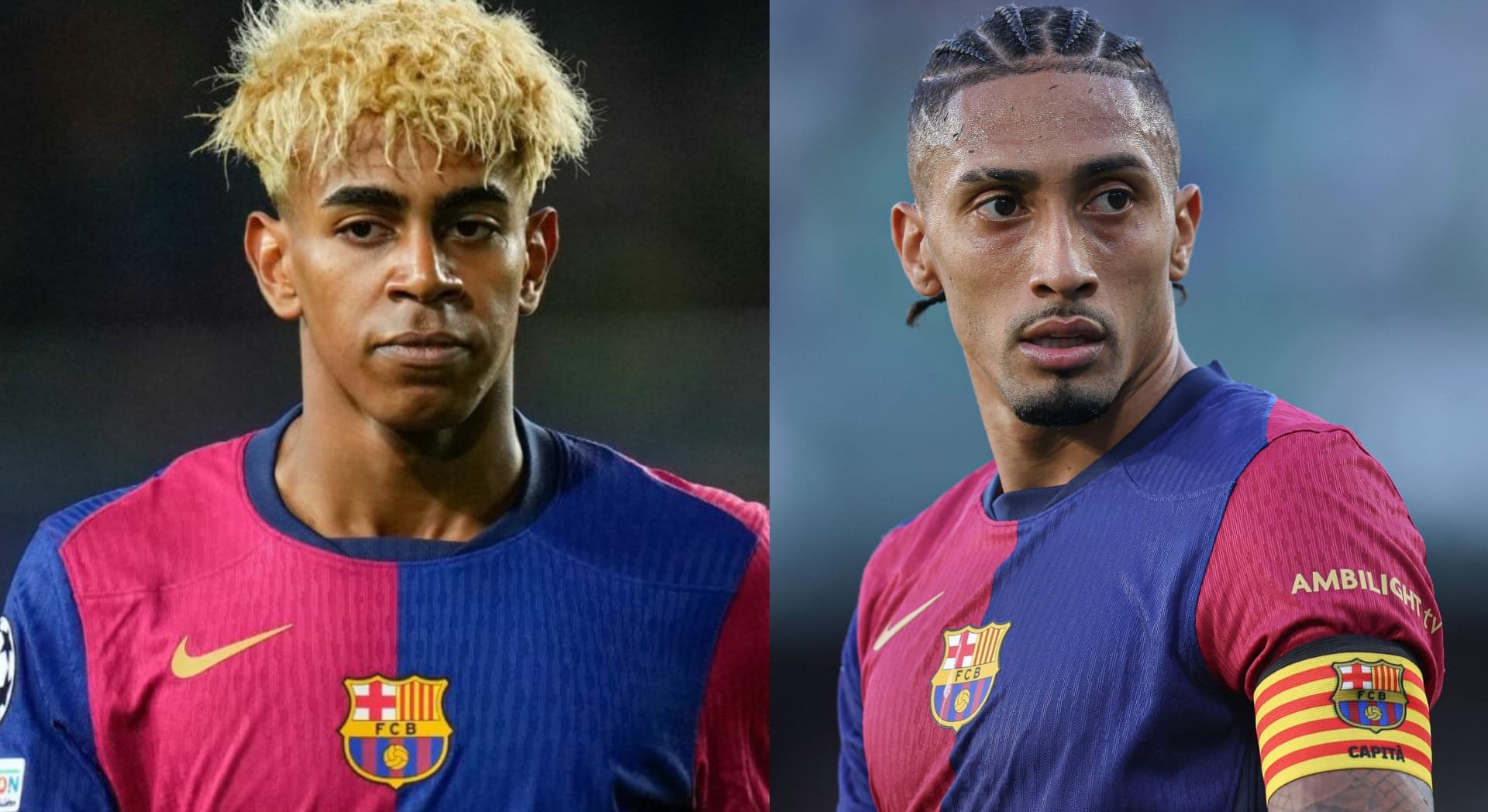

An unusual Twitter exchange has caused a huge stir this Saturday, shining a spotlight on the fight against racism in Spanish football. The trigger was the news of the arrest of three men accused of shouting racist insults at FC Barcelona players, Lamine Yamal and Raphinha, during the Clásico between Real Madrid and Barça last October. The National Police, via their official Twitter account, reported the arrests. However, what really set social media alight was the unexpected and controversial response from Atlético de Madrid, a team that, in principle, had no connection to the incident mentioned.
Atlético de Madrid seemingly didn't hesitate to react to what it considered an error or insinuation by the authorities. This digital exchange has sparked an intense debate about communication responsibility, sensitivity in the fight against racism, and the ever-present tensions between rival clubs.
The National Police's Tweet: Omissions and an Unexpected Image
The National Police's post aimed to inform about an important step in the fight against racism, but its execution generated an unintended side effect.
- Key Information Omitted: In the original tweet announcing the arrests, the National Police intentionally omitted the names of the teams involved (Real Madrid and FC Barcelona) and, crucially, the location where the incidents occurred: the Santiago Bernabéu stadium. This lack of specificity, while perhaps aiming for neutrality, opened the door for misinterpretations.
- The Image Choice: The Wanda Metropolitano in the Eye of the Storm. What truly ignited the controversy was the image chosen to accompany the post. It was a stock photo showing two police officers from behind in a stadium, but to the surprise and annoyance of many, the stadium was clearly the Wanda Metropolitano, Atlético de Madrid's home ground. An image that, by not being the actual scene of the events, created a misleading and highly unfortunate visual connection with the rojiblanco club.
- Immediate User Reaction: Even before Atlético de Madrid's official response, thousands of social media users had already noticed the inconsistency and began pointing out the error, generating a flood of comments and criticism towards the National Police for the image choice.
Atlético de Madrid's Explosive Response: "Our House is Not Their Ground"
Faced with the image that linked their stadium to a racist incident they weren't involved in, Atlético de Madrid didn't stay silent. Their response was forceful and had a huge impact.
- The Tone of the Response: Although Atlético de Madrid's tweet isn't quoted verbatim in the excerpt, the description of an "unexpected response" and the title we've given it ("Our House is Not Their Ground") suggest a direct, sharp, and possibly annoyed tone. The club's intention was to immediately distance itself from the incident and make it clear that the event did not occur at their facilities.
- Defending the Club and Stadium's Image: For Atlético, the Wanda Metropolitano is not just a stadium; it's their home and a symbol of their identity. Visually associating it with an act of racism that occurred elsewhere was unacceptable. Their response was a legitimate defense of their image and that of their fans.
- Divided Reactions Online: As expected, Atlético's response generated an avalanche of comments. While many applauded the club's speed and firmness in denying any link, others criticized the timing or tone, arguing that it diverted attention from the main issue (racism) to a discussion about communication and image.
The Debate on Racism and Institutional Communication
This incident highlights the delicate nature with which sensitive topics like racism must be addressed, especially by institutions.
- The Importance of Accuracy in Information: The omission of crucial details and the erroneous image choice by the National Police demonstrate the vital importance of accuracy and verification in institutional communication, especially on topics involving such serious accusations. A small error can have big repercussions and divert focus from the central issue.
- The Fight Against Racism in Football: Beyond the tweet controversy, the core issue remains the fight against racism in stadiums. The arrests are a positive step in that regard, sending a clear message that racist insults have legal consequences. However, the subsequent controversy may have, in part, overshadowed the impact of this news.
- Tensions Between Clubs: A Constant in Spanish Football: This episode also underscores the latent tensions and rivalries between major Spanish football clubs. Any error or insinuation that can be interpreted as an attack or an unjust link will be met with vehemence, even if the original incident has nothing directly to do with the affected club.
The social media controversy between Atlético de Madrid and the National Police, triggered by an error in image selection, is a reminder of how digital communication can amplify incidents and generate unexpected debates. While the main news was the arrests for racist insults, Atlético de Madrid's "unexpected response" managed to capture attention, forcing a reflection on accuracy in information and sensitivities in a sport as passionate as football.