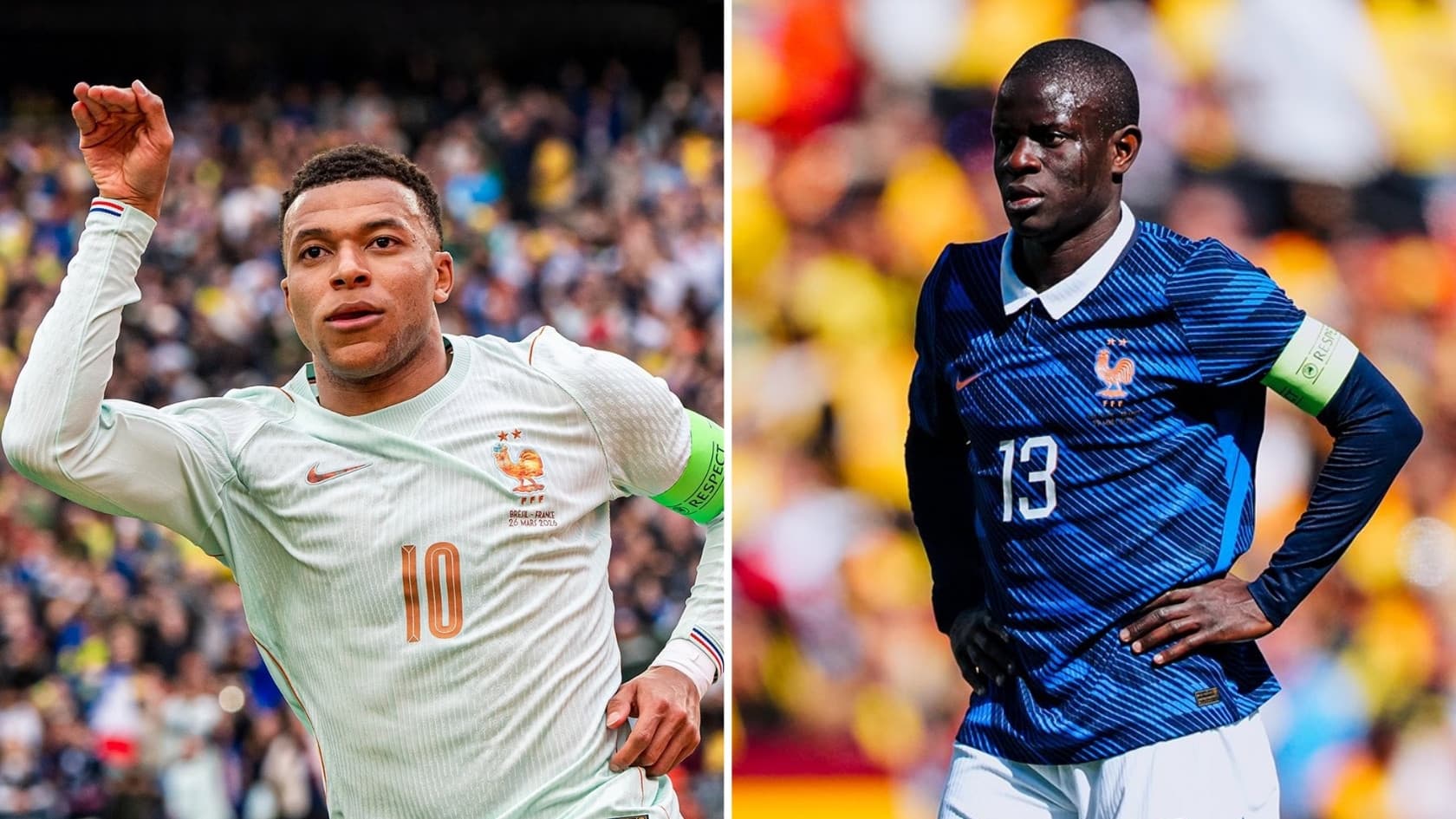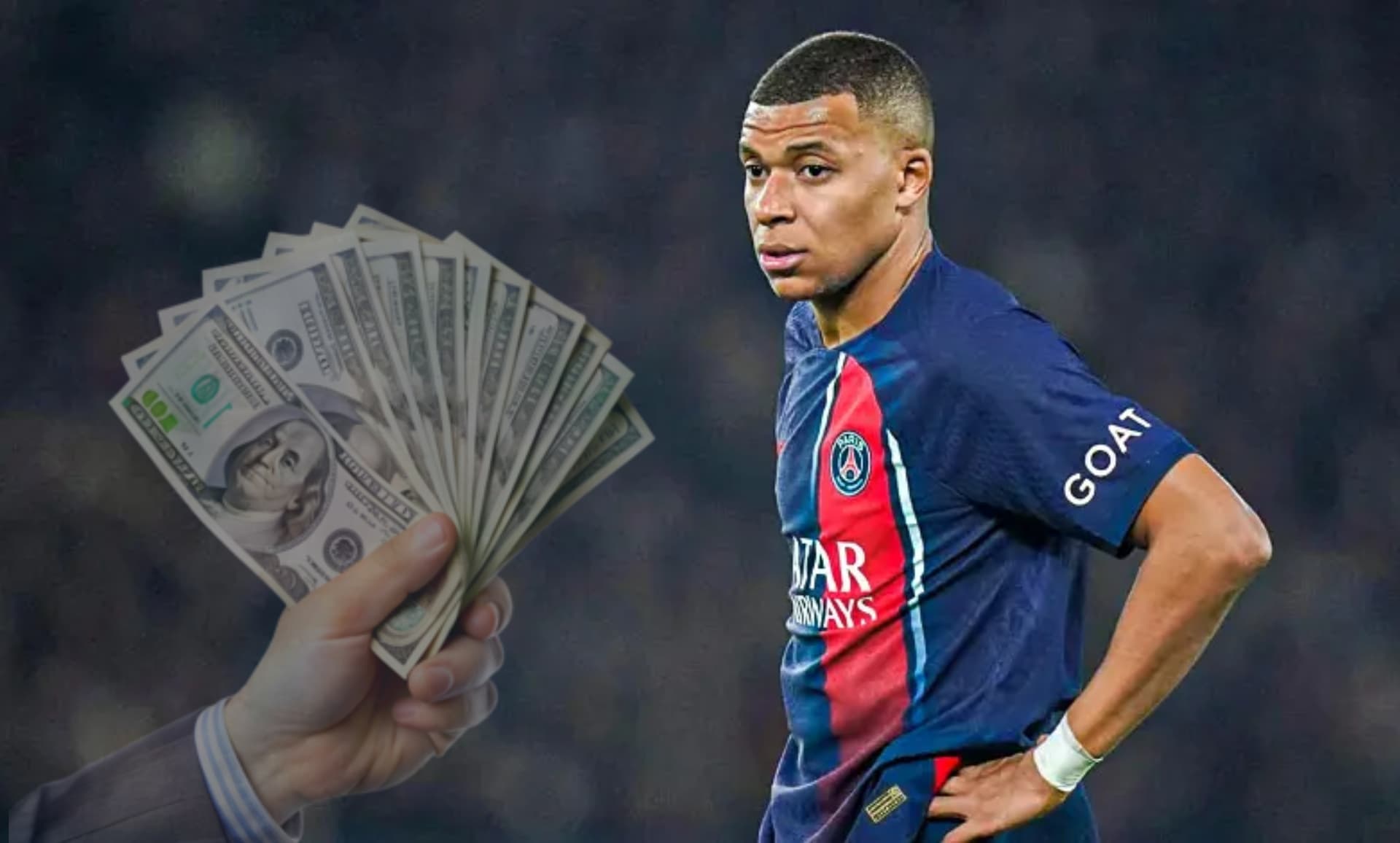

Just when it seemed the Kylian Mbappé and Paris Saint-Germain (PSG) saga had ended with his eagerly awaited move to Real Madrid, a new legal and media chapter unfolds. In a surprising twist, the French forward has decided to withdraw the criminal complaint for moral harassment and attempted extortion he had filed against his former club. However, the truce is only partial: Mbappé is still demanding a staggering €55 million in unpaid salaries and bonuses, which, according to him, PSG owes him.
This decision by Mbappé, reported by sources close to the case, eases pressure on PSG in the criminal sphere, avoiding a legal process that could have had severe legal and image repercussions for the Parisian institution. Nevertheless, the withdrawal of the criminal complaint does not mean that the financial problems have vanished. The dispute over the €55 million continues through civil channels, promising a new legal saga between the brand-new Real Madrid forward and his former employer. Why has Mbappé taken this step back criminally, and what are the implications of his persistent financial claim? Let's analyze the details of this complex situation.
The Criminal Accusation: A High-Stakes Case
Mbappé's initial criminal complaint against PSG was a serious matter and could have had significant consequences.
- Moral Harassment and Attempted Extortion: These were the grave accusations the player had launched against the club. A criminal process for these charges would have involved exhaustive investigations, interrogations, and the possibility of severe sanctions for executives or the entity if guilt were proven.
- Context of the Tension: The criminal complaint arose amidst the notorious tension between Mbappé and PSG during his last season in Paris. The player's refusal to renew his contract, the club's decision to exclude him from preseason and some matches, and the pressure for him to leave the team, created an atmosphere of hostility that culminated in this legal action.
- Image Implications: A criminal trial of this magnitude would have been a devastating blow to PSG's image worldwide, especially at a time when the club seeks to consolidate itself as a global brand and attract more stars. The media uproar would have been immense and detrimental.
Why Withdraw the Criminal Complaint? Possible Reasons
Mbappé's decision to drop the criminal case suggests several interpretations.
- Avoiding a Long and Tedious Process: Criminal proceedings are often extremely long, complex, and draining, both emotionally and financially. It's possible that Mbappé and his legal team evaluated that such a trial would divert too much of his attention from his sporting career at Real Madrid, a new chapter he wants to begin without distractions.
- Prioritizing the Financial Route: By withdrawing the criminal complaint, Mbappé could be concentrating all his efforts on the claim for €55 million. The civil route is more direct for resolving contractual and salary disputes and might be perceived as the most efficient way to recover the owed money.
- Seeking a "Less Aggressive" Exit: Although the relationship between Mbappé and PSG ended tensely, the withdrawal of the criminal complaint could be a (calculated) gesture to avoid further escalating the conflict to an absolute point of no return. It might be a sign that, while he wants his money, he prefers to avoid a direct criminal confrontation with those who employed him for years.
- Lack of Conclusive Evidence (Hypothesis): Although there is no official information on this, another possibility is that, after a deeper evaluation, Mbappé's lawyers considered that the evidence to sustain an accusation of moral harassment or extortion in the criminal sphere was not sufficiently solid or convincing to ensure a victory in court.
The Fight for €55 Million: An Ongoing Financial Conflict
While the criminal case closes, the dispute over the money remains, and it's a significant sum.
- Unpaid Salaries and Bonuses: The figure of €55 million is substantial and refers to salaries and bonuses that the player alleges PSG did not pay him, presumably corresponding to the final months of his contract or to loyalty bonuses.
- Contractual Dispute: PSG might argue that the non-payment is due to contractual breaches by Mbappé (for example, by not renewing or by not facilitating a sale at certain times), or to specific clauses in his contract that linked certain bonuses to renewal or his continued stay at the club.
- Civil Route: Arbitration or Labor Courts: These types of disputes are usually resolved in labor courts or, more commonly in elite football, through sports arbitrations (such as at FIFA or the CAS). These processes can be lengthy but are directly focused on resolving the financial dispute.
- Impact on PSG: Although the club is free from the criminal process, having a pending claim of €55 million is still a problem. They will need to prepare their legal defense and, in case of losing, face a significant payout that could affect their financial planning.
Mbappé's Future at Real Madrid: Free from Distractions?
Mbappé's decision to withdraw the criminal complaint ultimately seeks to clear his path for his new chapter.
- Focus on Sporting Performance: By closing the door on the criminal process, Mbappé can concentrate 100% on his adaptation to Real Madrid and his sporting performance. Starting his career at a new club with a pending criminal trial would be an enormous distraction.
- Repercussion on PSG-Real Madrid Relationship: While relations between the two clubs were already tense, the withdrawal of the criminal complaint could prevent an even further deterioration in the future. However, the financial dispute remains a source of friction.
The withdrawal of the criminal complaint for moral harassment is a closed chapter, but the legal saga between Kylian Mbappé and PSG is far from over. The battle for €55 million in unpaid salaries and bonuses promises to be a new focus of attention, with implications for both the player and the Parisian club. As Mbappé prepares to shine at Real Madrid, the echo of his past at PSG continues to resonate, this time, in civil courts. The saga continues.