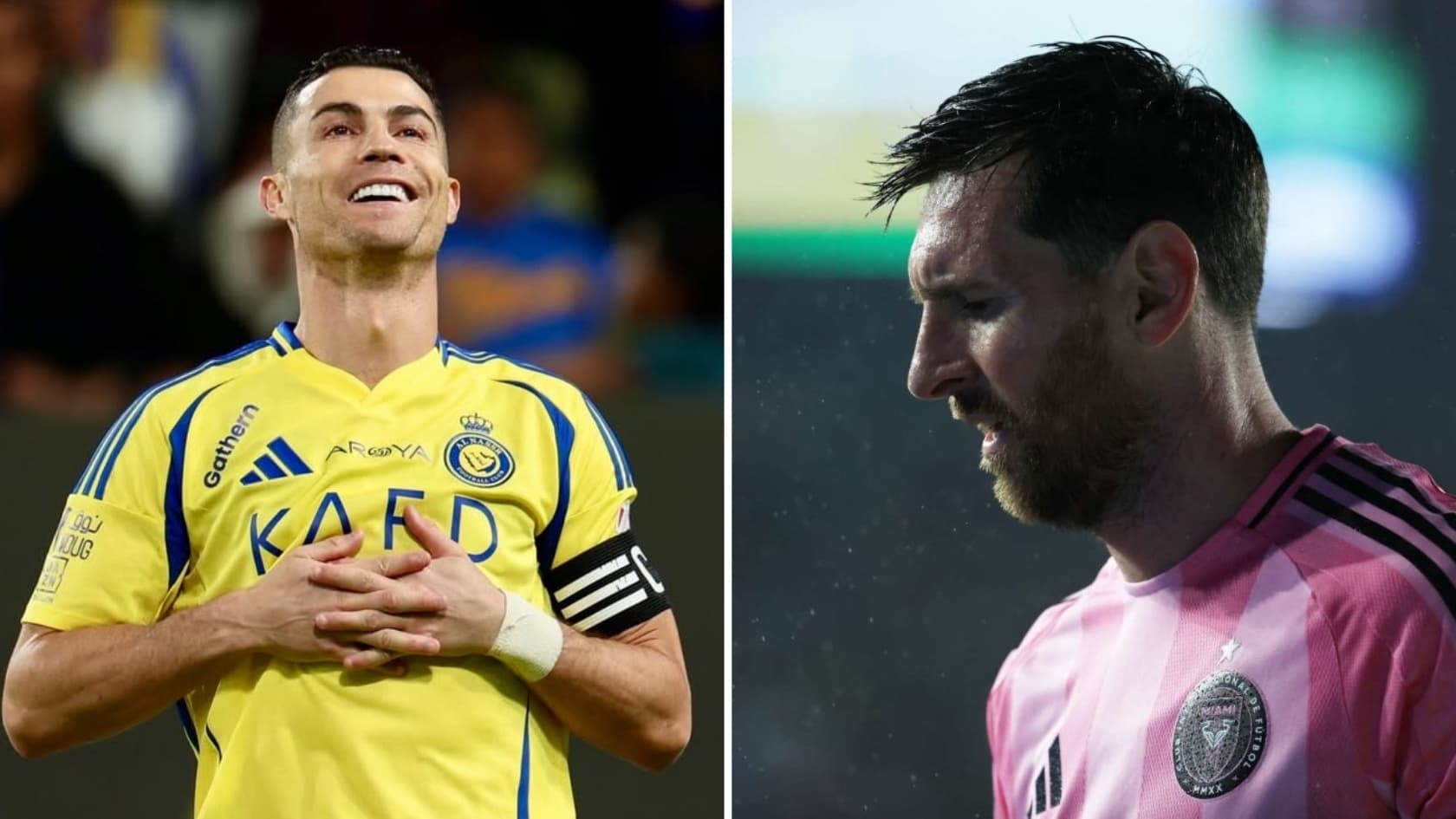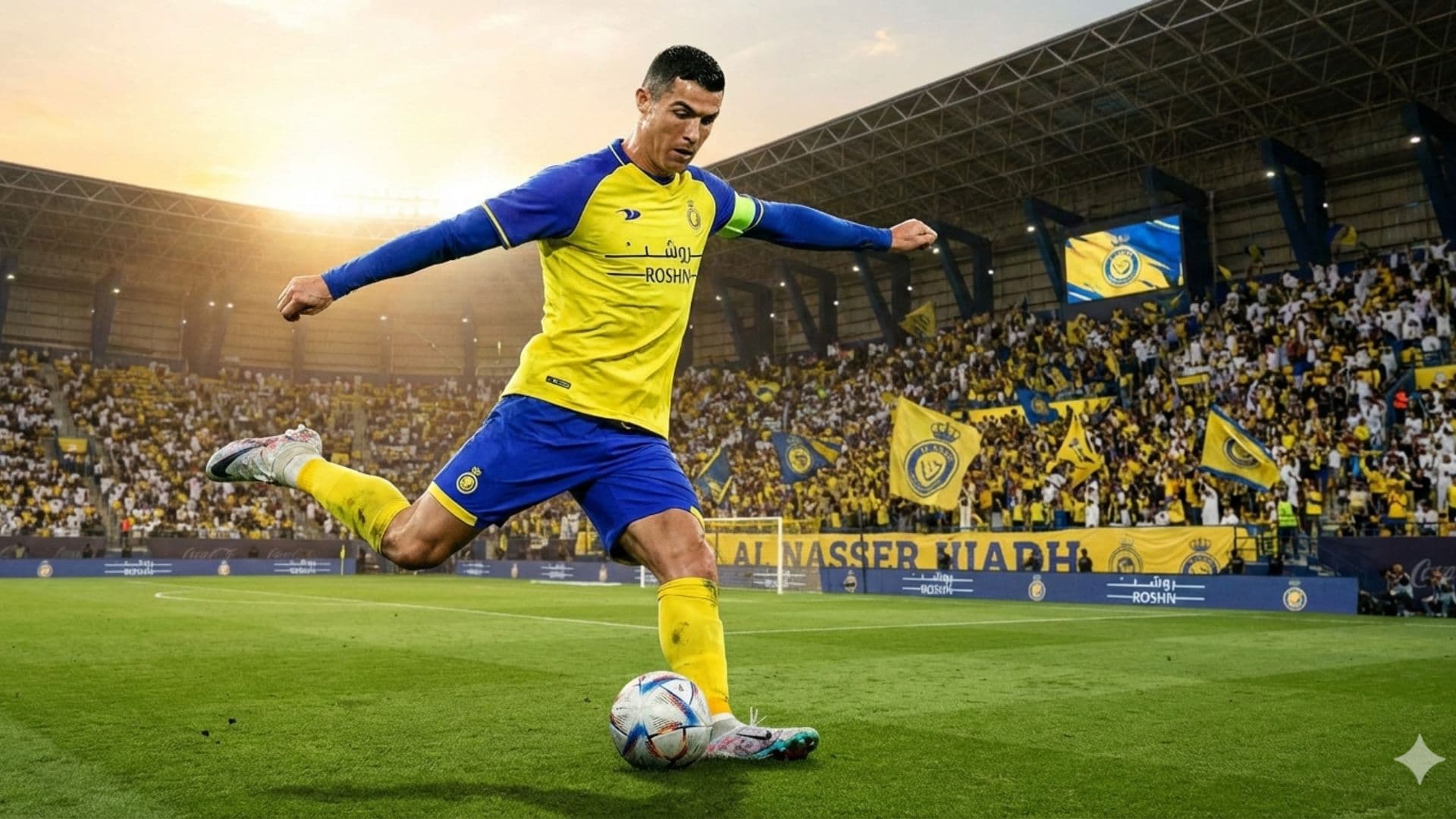

The Saudi Arabian football landscape is currently experiencing its most turbulent hours since the "Gold Rush" began, and once again, Cristiano Ronaldo is at the center of the storm. In a move that has sent shockwaves from Riyadh to Lisbon, the Portuguese superstar has reportedly made the executive decision to boycott Al Nassr’s upcoming fixtures. This is not a matter of fitness or tactical rotation; it is a full-blown protest against the structural direction of the club and the perceived inequality within the Saudi Pro League.
The "Strike": More Than Just a Game
Reports circulating within Saudi Arabia and Portugal—most notably from A Bola and confirmed by transfer expert Fabrizio Romano—indicate that Ronaldo will not feature in the match against Al Riyadh. While the club initially attempted to frame his absence as a "rest day" ahead of the high-stakes clash with Al Ittihad, the reality is far more explosive.
Ronaldo is reportedly in a state of "total discontent." As the face of the league, he feels that the Public Investment Fund (PIF)—which owns 75% of the country’s four biggest clubs—is showing blatant favoritism toward Al Hilal.
The Investment Gap and the "Benzema Factor"
The primary source of this "short circuit" is the staggering disparity in recent transfer activity. While Al Nassr’s winter window was described as "meager"—highlighted only by the signing of 21-year-old Iraqi midfielder Haydeer Abdulkareem—their rivals have been bolstered by elite talent.
The tension reached a breaking point with the news that Karim Benzema is on the verge of joining Al Hilal following his tumultuous exit from Al Ittihad. For Ronaldo, seeing a direct rival strengthened with a Ballon d'Or winner while his own squad remains stagnant is an insult to his competitive ambition. He believes that the current investment strategy is precaritizing Al Nassr’s chances of ever toppling Al Hilal at the top of the table.
An Internal Coup: The Sidelining of Allies
Beyond the pitch, the situation is compounded by a "toxic" internal power struggle. Two of Ronaldo’s closest confidants and key figures in the club’s Portuguese structure, Simão Coutinho (Sporting Director) and José Semedo (CEO), have reportedly seen their decision-making powers frozen by the Board of Directors.
For Ronaldo, the removal of his inner circle is a clear signal that he has lost political influence within the entity. Even head coach Jorge Jesus recently voiced similar frustrations, stating that Al Nassr lacks the "political weight" of Al Hilal—a comment that caused a massive stir in the Saudi sports press.
A Tipping Point for the Saudi Project
This is not a passing gesture of pressure; it is a defining moment for the Saudi Pro League. By refusing to play, Ronaldo is exposing the cracks in the league’s "fair play" image. The PIF must now move quickly to de-escalate the situation, as having their most marketable asset on strike undermines the very visibility and prestige they have spent billions to acquire.
Ronaldo is not backing down. The alarms in Saudi Arabia are ringing loud and clear, and the next move by the club’s hierarchy will determine if this tremor is just a warning or a quake that will reshape the league's future.