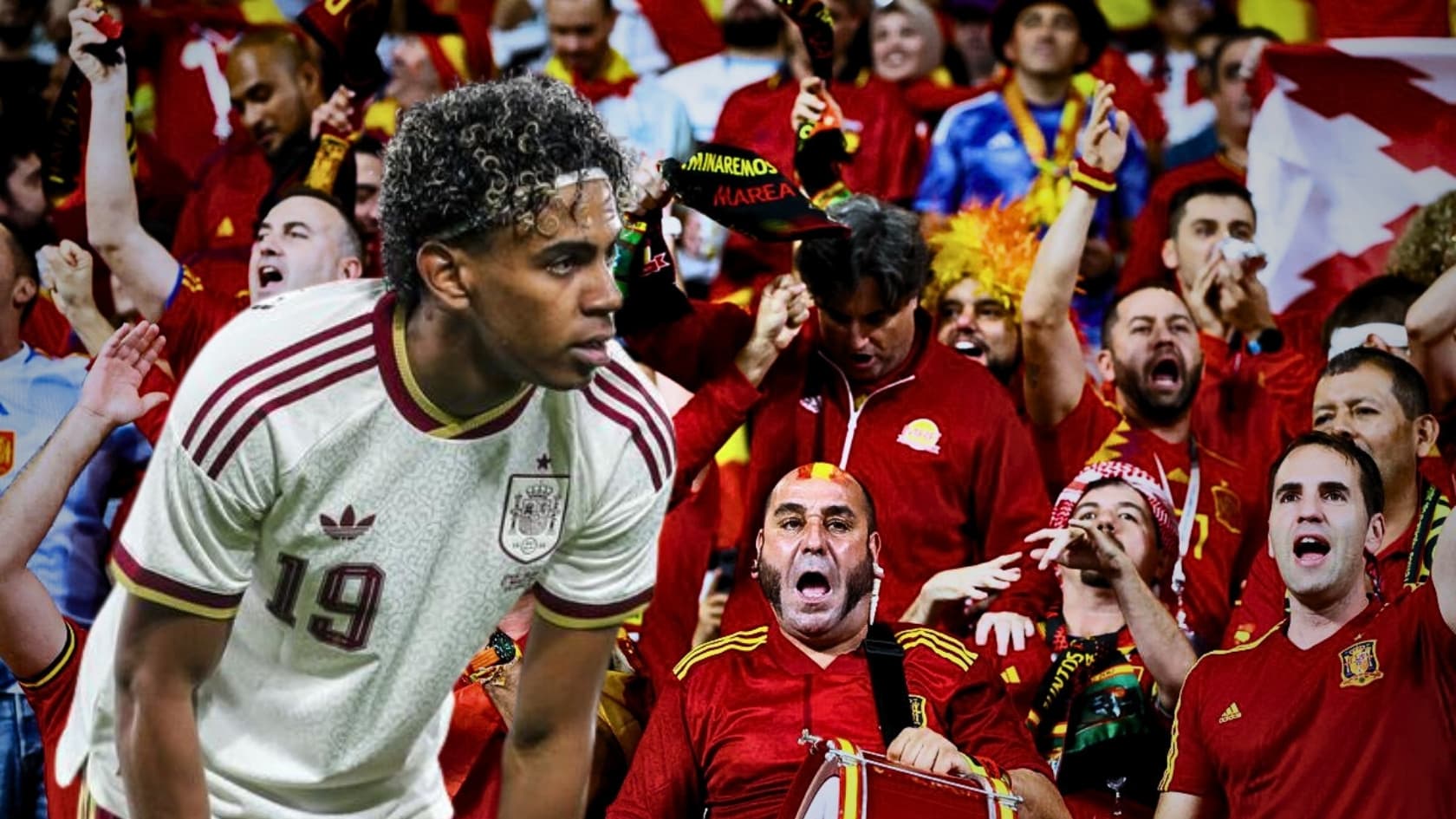
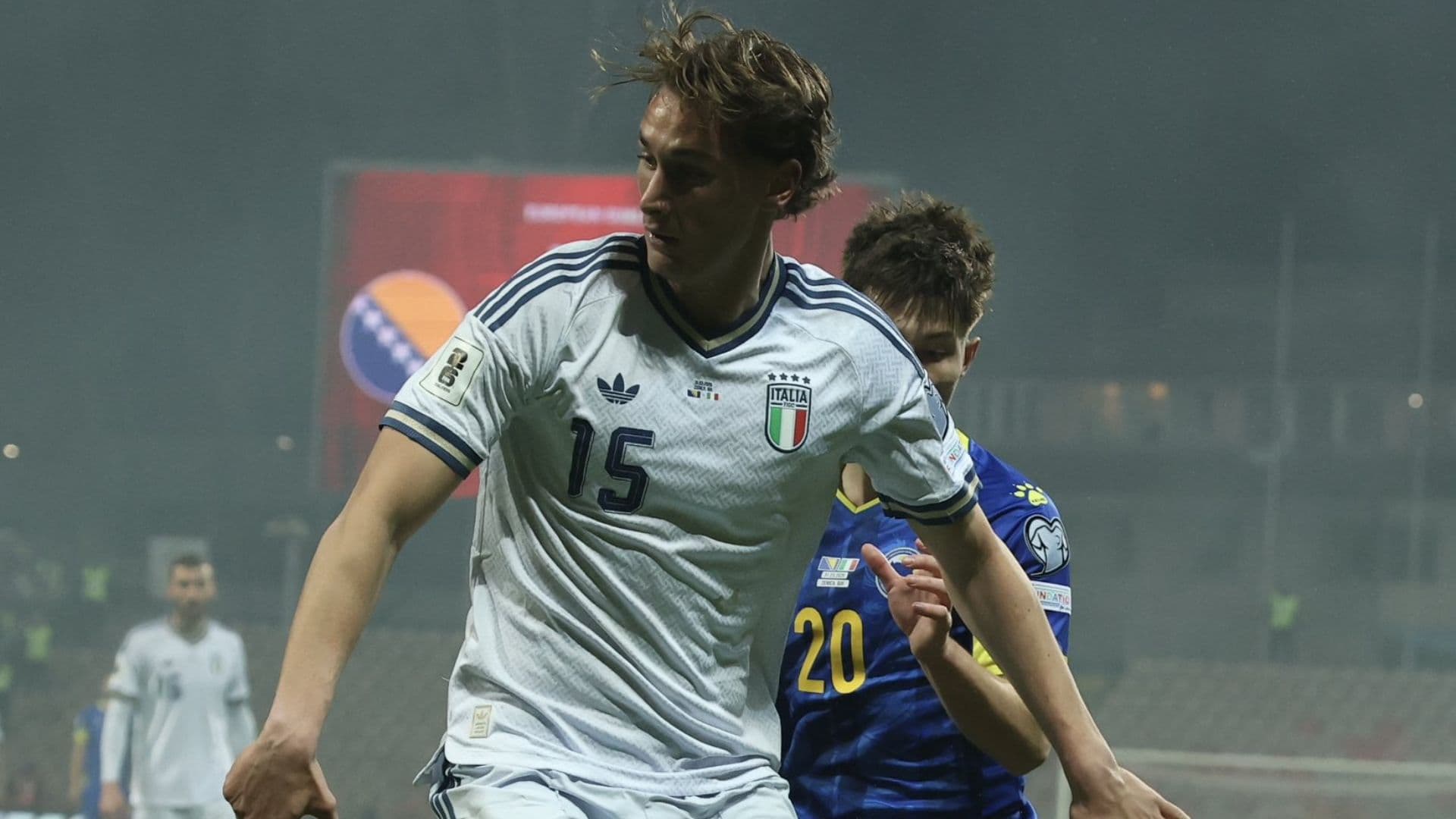
Reports of Manchester United considering the sale of academy star Kobbie Mainoo have sent shockwaves through the fanbase. The prospect of selling the "Stockport Seedorf" to a Premier League rival, particularly Chelsea, has ignited fears of fan protests. Amidst United’s financial restructuring and tactical shifts under Rúben Amorim, such a move might be seen as a betrayal of the club's identity.
Mainoo, hailed as a bright prospect for United’s future, represents more than just a player to the fans; he embodies the club’s deep connection to its youth academy. While sales of other youth products like Alejandro Garnacho might be met with tempered acceptance due to systemic or personality clashes, Mainoo’s departure would likely incite outrage. The potential financial benefits from selling academy players, whose sales provide pure profit on the balance sheet, are not enough to quell concerns over losing the club’s soul.
Financial Struggles and Tactical Shifts
Manchester United has been ruthless in cutting costs over the last year, exemplified by the reduction of minor bonuses like the £50 "steward of the match" reward. In this context, selling young talents for substantial transfer fees may seem a pragmatic choice. Youth products like Mainoo and Garnacho offer maximum financial benefit since their development didn’t involve hefty transfer fees.
Under Amorim’s system, which emphasizes defined positional roles rather than hybrid players, selling key players might seem less damaging. The tactical setup allows for replacements who meet specific criteria, making it easier to manage departures. However, Mainoo’s role as a symbol of hope for the fans complicates this equation. Selling him, especially to a domestic rival like Chelsea, could alienate the fanbase irreparably.
Fan Connection to Academy Products
Manchester United’s supporters have a long-standing tradition of cherishing academy graduates, from the Class of ’92 to modern-day stars like Marcus Rashford. The connection between fans and homegrown players transcends financial considerations, and selling Mainoo would be viewed as a step too far in the pursuit of financial stability.
The club’s faithful, already discontent with the Glazer ownership, could see such a move as the final straw. Speculation suggests that the sale rumors might be part of contract negotiations, with agents and the club leveraging public sentiment to reach an agreement. However, the plausibility of these rumors has left fans uneasy.
Looking Ahead
As Manchester United grapples with financial pressures and the need for tactical adaptability, the club must tread carefully. Selling Mainoo could provide short-term financial relief, but the long-term damage to fan loyalty and the club’s identity might outweigh any monetary gain.
- Fan Backlash: Selling Kobbie Mainoo, especially to Chelsea, could lead to protests or riots among United supporters.
- Financial Context: Academy product sales provide significant profit, but the emotional toll on fans cannot be ignored.
- Tactical Factors: Amorim’s system allows for easier replacement of players, but losing Mainoo could still disrupt team morale.
- Historical Connection: United fans deeply value academy players, making Mainoo’s potential sale a highly sensitive issue.
- Speculation: Rumors may be part of contract negotiations, but their plausibility highlights broader concerns within the club.