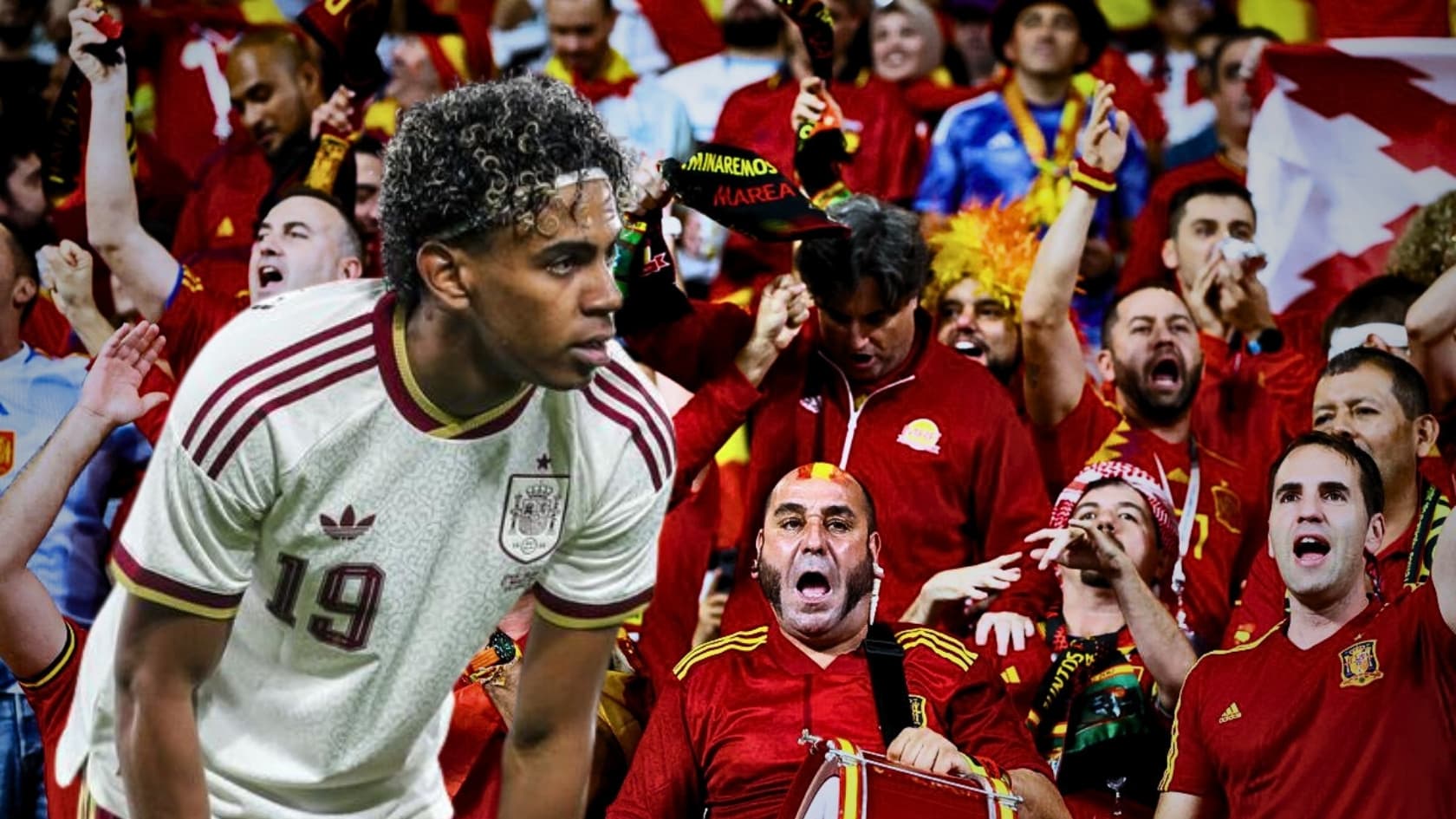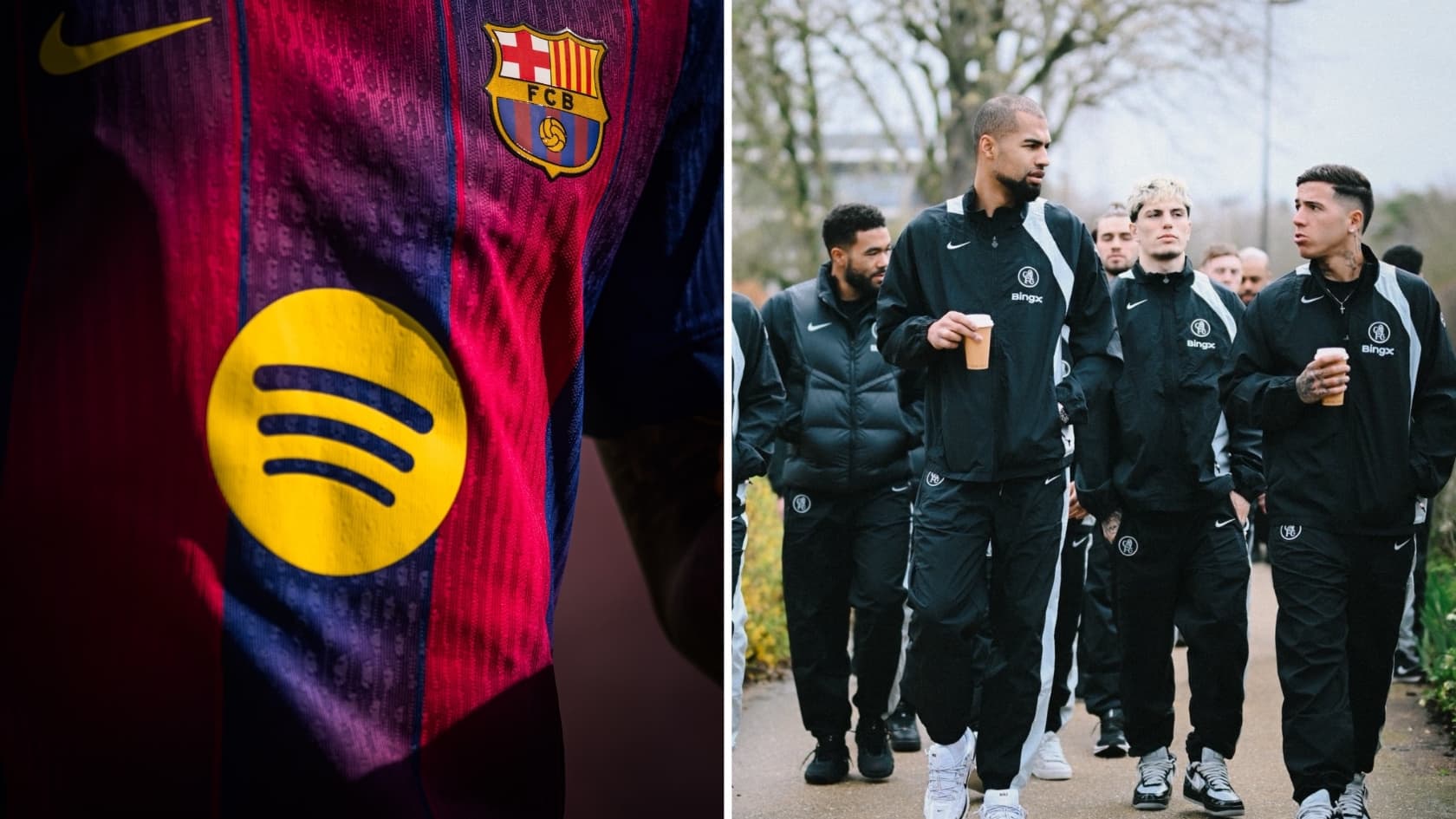

Dani Olmo was about to leave Barcelona because they could not register him, but president Joan Laporta would have had a masterstroke. In Spain they report that he had managed to sell the advertising in the VIP boxes of the new Camp Nou to the company Spotify and this would have allowed him to have the economic aspect in order. But this move would generate suspicions from Real Madrid and Atlético Madrid.
FC Barcelona, one of the most successful and iconic football clubs in the world, is currently facing a deep financial crisis that has raised serious concerns about its future. Despite being one of the most popular and valuable clubs globally, the financial struggles of Barcelona have reached unprecedented levels, threatening not only its competitive edge but also its very survival as a footballing powerhouse. The club’s economic troubles have been attributed to a variety of factors, including poor financial management, excessive spending, the impact of the COVID-19 pandemic, and the club’s massive debt.
Barcelona’s financial crisis can be traced back to a series of years where the club spent beyond its means. The high salaries of top players, coupled with extravagant transfer fees, created a situation where Barcelona's spending vastly exceeded its income. The arrival of high-profile players like Antoine Griezmann, Philippe Coutinho, and Ousmane Dembélé, although talented, added to the financial burden due to their hefty transfer fees and wages. At the same time, the club’s income from matchdays, sponsorships, and commercial ventures began to stagnate, particularly after the outbreak of the COVID-19 pandemic, which caused significant reductions in revenue from stadium attendance and sponsorship deals.
The financial situation worsened significantly in 2020, when it was revealed that the club had accumulated a debt of over €1 billion, making it one of the most indebted sports organizations in the world. This colossal debt, which was a result of years of mismanagement and overspending, put the club in a perilous position. The pandemic exacerbated these problems by halting matches and reducing revenue streams for an extended period, making it difficult for Barcelona to manage its debts and continue its operations as usual.
In addition to the pandemic’s impact, Barcelona’s wage bill became unsustainable. In 2021, it was reported that wages at the club accounted for a staggering 103% of the club’s revenue, far above the recommended 70-75% limit for sustainable financial operations. This meant that Barcelona was spending almost all of its income on player salaries, leaving little room for investment in infrastructure, transfers, or other essential areas of the club’s operations. To make matters worse, the club’s income from broadcasting rights and sponsorship deals, while significant, were not enough to cover the rising costs of the team’s wages and the accumulated debt.
Barcelona’s financial troubles were further compounded by the departure of club legend Lionel Messi in 2021. Messi, who had been the club’s talisman for over two decades, left Barcelona due to the club’s inability to register him under La Liga's salary cap regulations. Messi’s departure was not only a sporting blow but also a financial one, as his presence had been a major source of revenue for the club through sponsorships, shirt sales, and global visibility. Losing Messi, combined with the inability to replace him with high-caliber players, left the team in a difficult position both on and off the field.
To address the financial crisis, Barcelona’s management, led by president Joan Laporta, has implemented a series of austerity measures aimed at reducing the club’s debt and stabilizing its finances. The club has been forced to offload several players, including stars like Griezmann and Luis Suárez, to reduce its wage bill. Barcelona has also sold a portion of its assets, such as its television rights, to raise immediate funds. While these measures have provided some short-term relief, they have also limited the club's ability to reinvest in its squad, leaving it with a weakened team that is struggling to compete at the highest level.
The club has also sought to restructure its debt and renegotiate contracts with creditors in order to buy time and avoid financial collapse. This has involved seeking loans and refinancing deals, but these solutions are only temporary fixes. Barcelona’s financial problems have become so dire that they are under investigation by Spanish authorities for financial mismanagement, and the club’s future in La Liga could be at risk if it fails to meet the league’s financial fair play requirements.
Despite these challenges, Barcelona remains one of the most popular and valuable football clubs globally, with a massive fanbase and a rich history. However, the club’s financial recovery will depend on its ability to stabilize its finances, reduce debt, and build a sustainable business model moving forward. The club has already started to make moves to reduce its reliance on expensive players, focusing more on developing young talent through its renowned La Masia academy and looking for more cost-effective ways to strengthen the squad. The financial woes of Barcelona serve as a cautionary tale about the dangers of overspending in football, and the club’s ability to recover will be a key story to follow in the coming years.
In conclusion, FC Barcelona’s financial problems are a complex mix of poor financial planning, overspending, and external challenges like the COVID-19 pandemic. The club’s once-proud status is now threatened by debt and a struggling balance sheet. While the club is taking measures to address the situation, its long-term success will depend on a careful, sustainable approach to its finances, along with success on the pitch. Only time will tell whether Barcelona can recover from this crisis and return to its former glory.