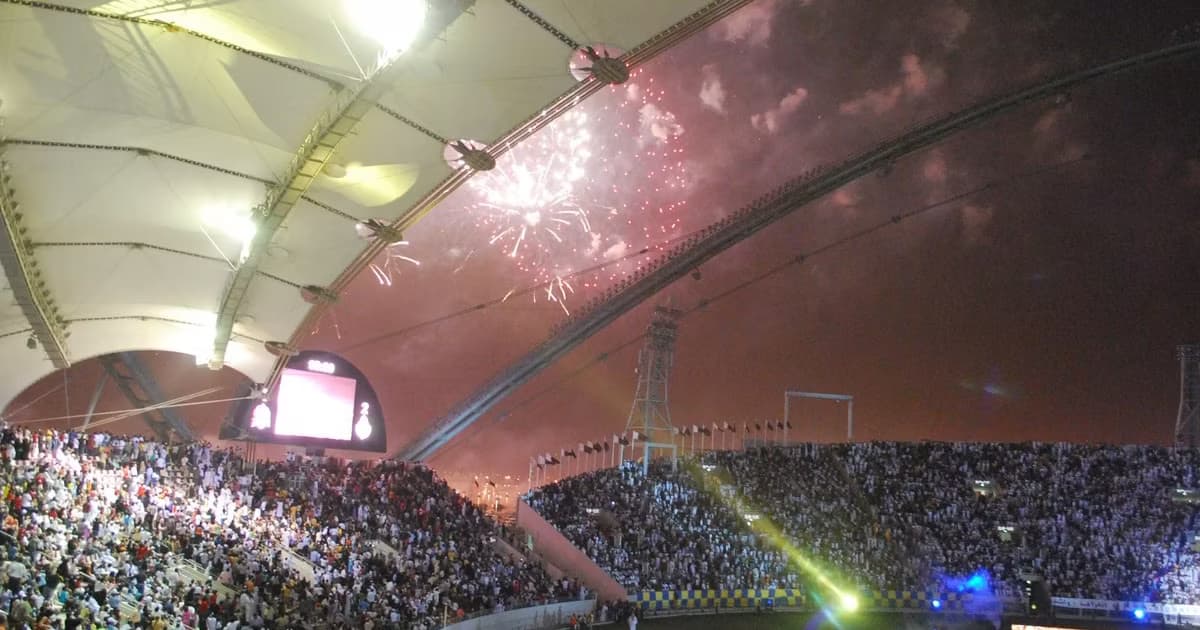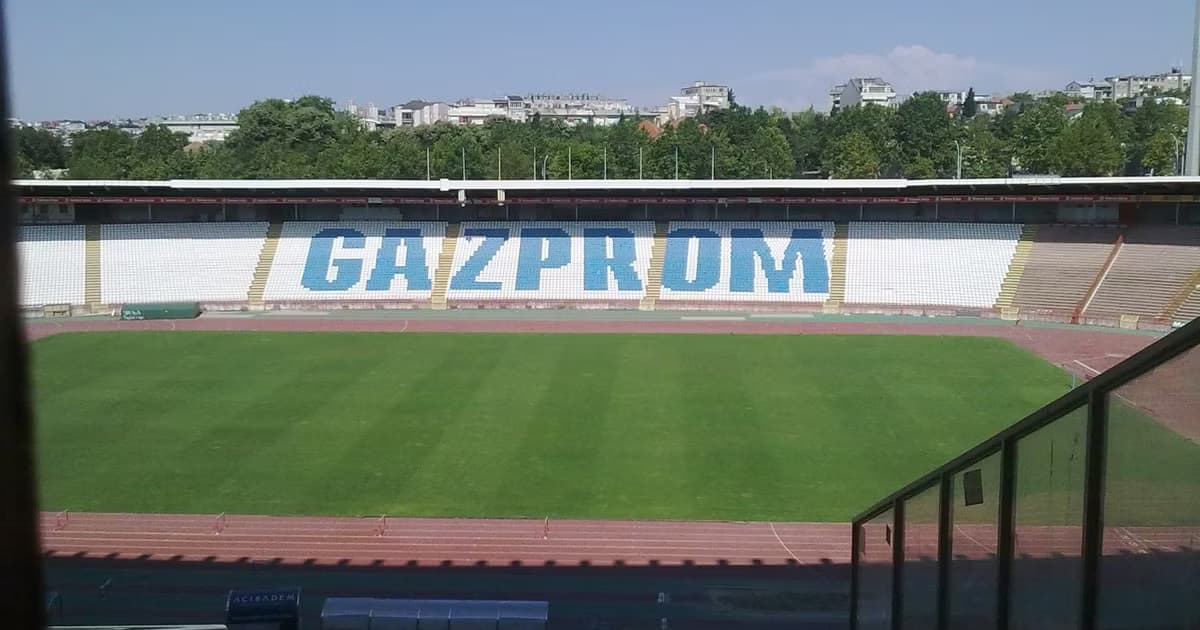

Germany will play in Belgrade on Friday night for the first time in 49 years, and almost nobody will be there to see it. UEFA ordered Serbia to host the Nations League game at the Rajko Mitić Stadium behind closed doors, so a ground that usually holds about 55,000 will have roughly 5,000 people in it, nearly all of them Serbian children under 15.
Why the stadium is closed
The sanction goes back to September, when UEFA found racist and discriminatory behavior by Serbian supporters during Nations League games against Greece and the Netherlands. The punishment was one home match without spectators and a €50,000 fine, and the decision became final in October.
UEFA's rules leave a narrow exception. The Football Association of Serbia said children up to 14 can attend, but only in organized groups from schools, clubs and academies with adult supervision; kids arriving with their parents won't be let in. Germany's traveling fans lost their usual away allocation of five percent of capacity. Instead, the visitors get 200 top-category seats for their delegation, and the DFB handed 50 of them to fans through a points system.
Klopp's joke and his real worry
Jürgen Klopp, now in charge of Germany, made light of it at his press conference. "We've trained without spectators all week. So we're used to it," he said.
He was more serious in an interview with ZDF on Thursday. "Atmosphere has a massive influence on the quality of the game," Klopp said, adding that "you have to take things as they are." Back in October, when the ban was confirmed, he said he was "terribly sorry for every single fan" who had already booked a trip to Serbia.
ZDF reporter Lili Engels called the empty ground a shame, but noted that in purely sporting terms it is more of an advantage for Germany. The Marakana, as the stadium is known, is one of the loudest venues in Europe when it's full.
A 49-year wait
This is Germany's sixth match in Belgrade overall and the first since April 30, 1977, when they beat Yugoslavia 2-1 at the same stadium with goals from Dieter Müller and a Rainer Bonhof penalty. A year earlier, in 1976, West Germany lost the European Championship final there to Czechoslovakia on penalties after a 2-2 draw. German fans who had planned to finally see their team in Belgrade will have to wait untill another day.
The stakes are real. Serbia are last in Group A2 with no points, while Germany beat them 2-0 in Munich in October and drew 1-1 with group leaders Netherlands in Amsterdam in September. The DFB itself says everything from a quarterfinal place to relegation to League B is still possible before Monday's finale against the Netherlands in Berlin.
Who's in and who's out
Klopp lost Borussia Dortmund defender Waldemar Anton to a muscle problem and called up RB Leipzig's Ridle Baku in his place. Wael Mohya, the 17-year-old from Borussia Mönchengladbach who got his first senior call-up this month, traveled to Belgrade but is not in the matchday squad. Marc-André ter Stegen has been confirmed as the starting goalkeeper, and Werder Bremen's Niclas Füllkrug is back in the squad after more than a year away.
Serbia, coached by Veljko Paunović, are missing Saša Lukić and Nemanja Maksimović through suspension, plus several injured players, including Aleksandar Stanković.
Germany will also wear adidas's black farewell jersey for the second-to-last time, as the federation's decades-long partnership with the brand winds down. Kickoff is 2:45 p.m. ET, and there will be a minute's silence beforehand for Dževad Prekazi, the former Partizan player and Serbia U-21 staff member who died in Belgrade on Nov. 8 at 69. In a stadium built for noise, that silence will be the loudest thing the kids in the stands hear all night.