Lionel Messi, the diminutive Argentine maestro, has long been revered as one of the greatest footballers of all time, often placed alongside legends like Pelé and Diego Maradona. Yet, not all voices sing his praises. Hugo Gatti, the eccentric former Argentine goalkeeper known for his outspoken nature, has consistently offered a dissenting opinion, often bordering on outright criticism. His recent pronouncements, as reported in La Nación, have reignited the debate, painting a picture of Messi that starkly contrasts with the popular narrative.
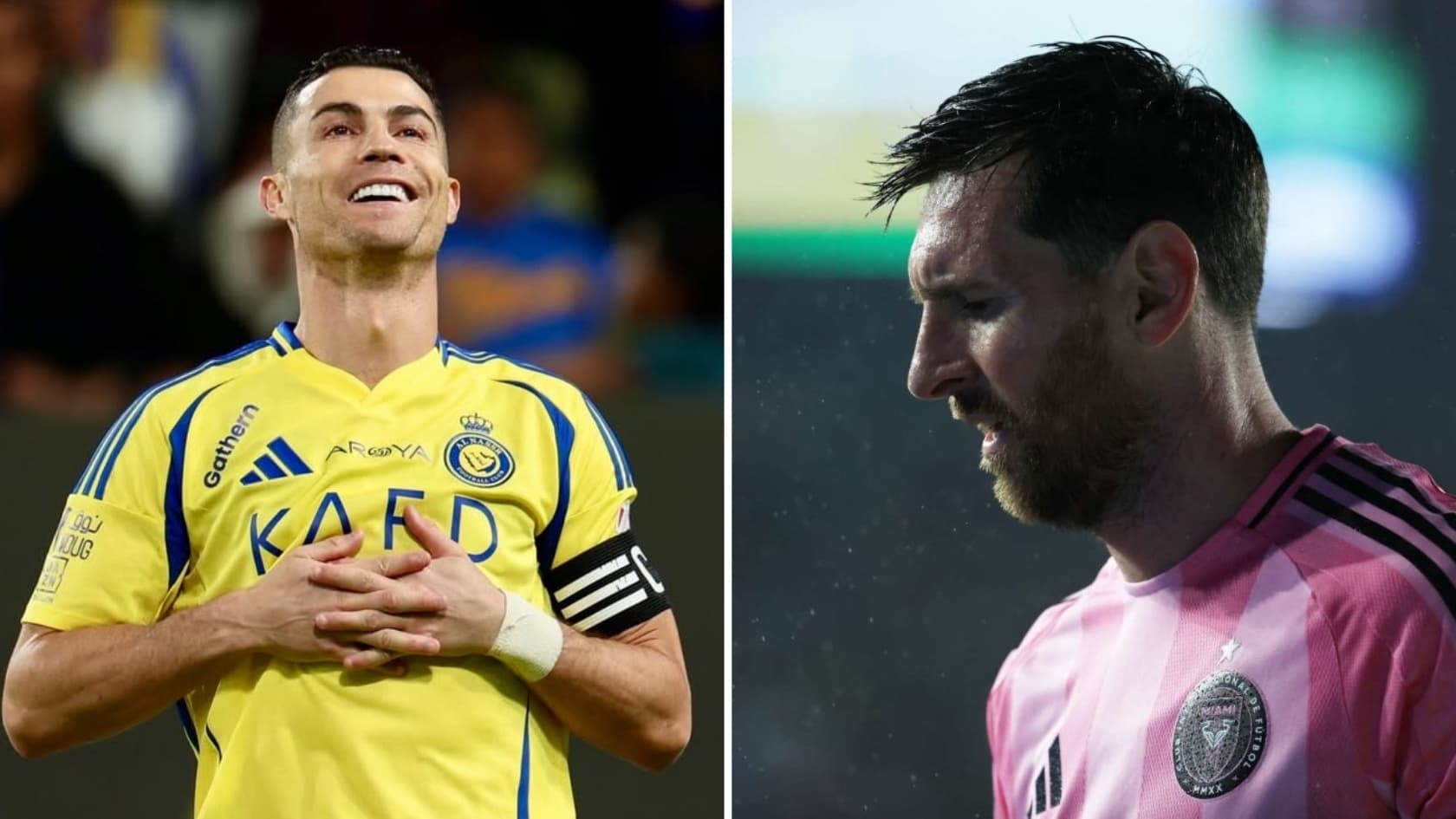
Gatti's central argument hinges on the perceived lack of "transmission" from Messi, a quality he admires in players like Cristiano Ronaldo. He suggests that Messi's career has been facilitated by an overly protective environment, both on the pitch and within his teams. "Messi doesn't transmit," Gatti declares. "I like a No. 1 who provokes like Cristiano Ronaldo. They didn't even kick him once. If they let you play football, as Alfredo Di Stéfano used to say, you play every day. Maradona was kicked to death; he fell and got up again."
This comparison with Maradona is a recurring theme in Gatti's critiques. He portrays Maradona as a warrior, battling through brutal tackles and physical challenges, while Messi has enjoyed a comparatively sheltered existence. This, according to Gatti, diminishes Messi's achievements.
Furthermore, Gatti dismisses the level of competition Messi has faced, particularly in recent years. He scoffs at Messi's move to Inter Miami in Major League Soccer (MLS), describing it as "playing in a country football league." This, he argues, further cements his belief that Messi has never truly been tested outside of the comfortable confines of Barcelona and the Argentine national team. "He can reach the next World Cup, but he'll be one less," Gatti states. "Today he is already one less. He is playing in a country football league in the United States. Where did Messi play? At Barcelona and for the Argentine national team. Messi did not push himself to play for other teams and in other countries. And he had opportunities, eh."
This point about Messi's lack of experience in different leagues and cultures is a significant part of Gatti's argument. He believes that true greatness is forged through adversity and adaptation, qualities he feels Messi has not fully demonstrated. While acknowledging Messi's undeniable talent, Gatti suggests that he has not been forced to overcome the same challenges as other legends, thus hindering his legacy.
Gatti's historical ranking of footballers further underlines his dim view of Messi. "In my historical ranking? Messi is far away," he asserts. "I don't dislike him; I would love to say something else. He played in easy football. At Barcelona, they whistled everything for him, nobody kicked him, and he had a team that played for him."
This statement is perhaps the most controversial of Gatti's pronouncements. He implies that Messi's success is largely attributable to the system at Barcelona, where he was surrounded by world-class players and enjoyed preferential treatment from referees. This downplays Messi's individual brilliance and suggests that he would not have achieved the same level of success in a less favourable environment.
Gatti's perspective stands in stark contrast to the widespread adulation Messi receives. While many consider him a footballing deity, Gatti presents a contrarian view, one that questions the very foundations of Messi's legendary status. He challenges the notion that Messi's talent alone elevates him to the pantheon of the greatest, arguing that context, competition, and character are equally important factors.
It's crucial to acknowledge the context of Gatti's pronouncements. He is known for his provocative statements, often designed to stir debate and generate headlines. His views on Messi should be viewed through this lens. However, even considering his penchant for controversy, Gatti's critiques raise pertinent questions about the nature of greatness in football.
Is it enough to possess extraordinary skill, or must a player also demonstrate resilience, adaptability, and a commanding presence? Does playing in a dominant team diminish individual achievements, or does it simply provide the platform for those achievements to flourish? These are complex questions with no easy answers.
Gatti's critique of Messi, while harsh, serves as a valuable counterpoint to the prevailing narrative. It forces us to consider the various facets of greatness and to question the assumptions we make about players and their legacies. Whether one agrees with Gatti or not, his words have undoubtedly added another layer to the ongoing debate about Lionel Messi's place in football history. His perspective, however controversial, serves as a reminder that even the most celebrated figures are not immune to scrutiny and differing interpretations of their achievements. The debate rages on, fueled by the outspoken pronouncements of figures like Hugo Gatti, ensuring that the legacy of Lionel Messi remains a topic of passionate discussion for years to come.