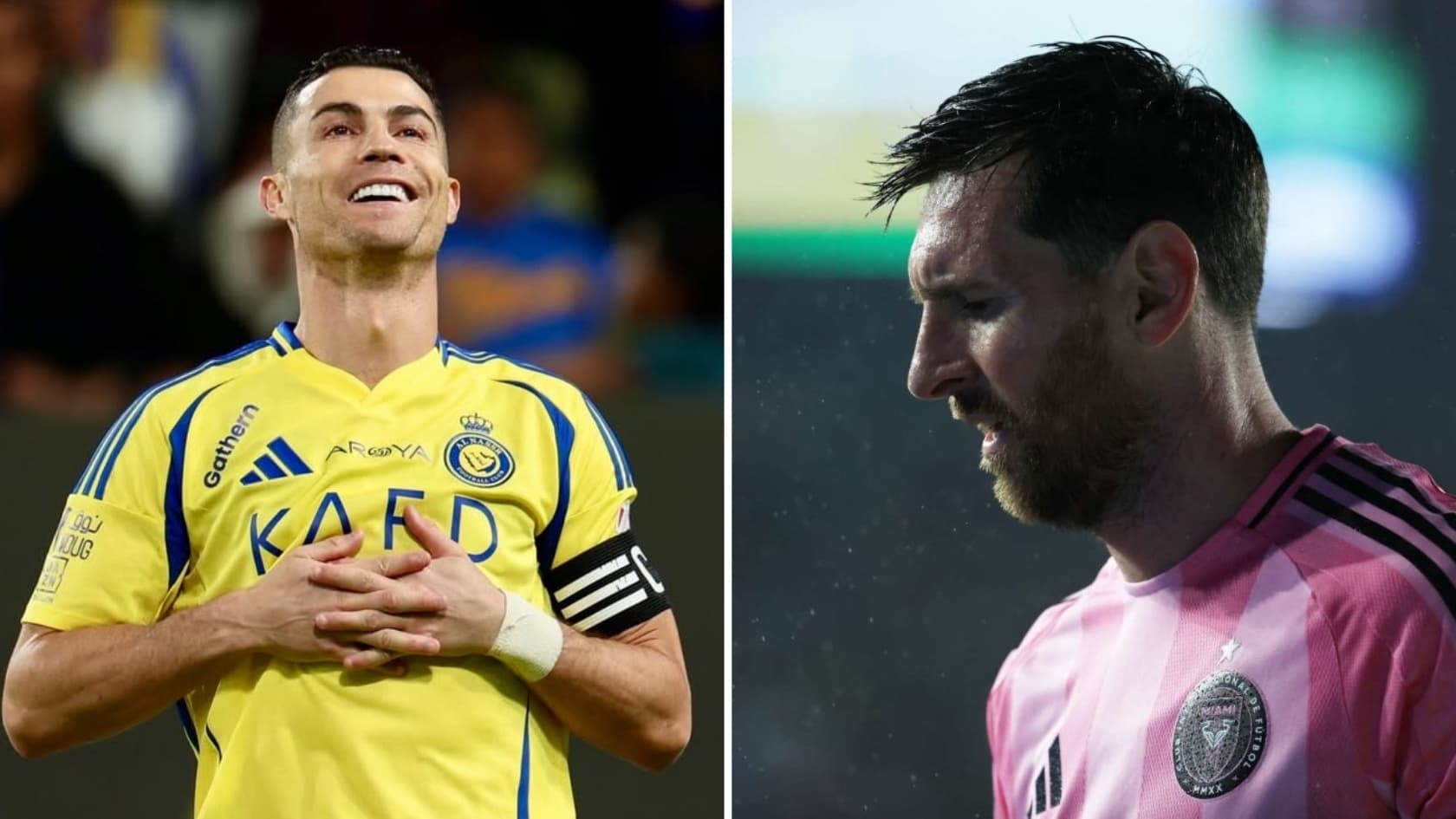
The Portuguese had a nickname he didn't like, but it was given to him by his neighbors. Cristiano Ronaldo was called Llora or Lloraldo because when he was little he cried out of frustration when he lost a game with his friends, which shows that his competitive spirit led him to not know how to control his emotions, something he is still working on.
Cristiano Ronaldo: From "Llora" to Legend – A Childhood of Determination and Frustration
Cristiano Ronaldo, one of the greatest footballers of all time, has long been known for his incredible talent, work ethic, and relentless drive to win. But behind the fame and success, there was once a young boy who experienced the same emotions that many children do: frustration, tears, and the burning desire to be the best. It is often said that "the greatest players are made from the toughest challenges," and for Ronaldo, his childhood experiences are proof of this.
As a young boy growing up on the island of Madeira, Portugal, Cristiano Ronaldo was far from the polished superstar we know today. He was a passionate, competitive child who loved playing football with his friends in the streets, often using makeshift goals and rough conditions to hone his skills. However, what made Ronaldo stand out from the others wasn't just his natural talent, but his unwavering desire to win. And when he lost, his emotions would get the best of him.
In fact, Ronaldo earned the childhood nickname "Llora," which means "cries" in Spanish, because he would often cry when he lost a game. This wasn't out of weakness or lack of sportsmanship, but out of an intense frustration that stemmed from his desire to win at all costs. For young Ronaldo, losing wasn't just a disappointment—it was something that fueled his competitive fire. It was during these early years that Ronaldo began to develop a mindset that would serve him well throughout his illustrious career: the refusal to accept failure.
The Frustration of Losing
Cristiano's tears were not just a reflection of childish emotions; they were a manifestation of his deep-set ambition and desire to succeed. He hated losing so much that it often led to emotional outbursts. Whether playing with friends or family, Ronaldo couldn’t stand the feeling of defeat. According to various accounts from his childhood, when things didn’t go his way, he would often retreat into himself, frustrated by his inability to come out on top.
These moments of frustration and tears were not unique to Ronaldo, but what set him apart was his ability to channel those emotions into something positive. He didn't simply wallow in self-pity or let his frustrations control him. Instead, he used that pain as motivation to work harder, improve, and come back stronger the next time. It was in these early moments that his legendary work ethic was born. His drive to be the best, coupled with his intense frustration when things didn’t go his way, would eventually push him to achieve greatness.
From Tears to Triumph
Over the years, Ronaldo’s “Llora” moments became fewer and farther between, replaced by a relentless focus on success. As he progressed through the youth teams and eventually made it to Sporting CP, his frustrations transformed into a fierce determination to outwork everyone around him. Instead of crying after a loss, Ronaldo began to focus on what he could do better. His time in Portugal’s youth system taught him the importance of discipline, hard work, and overcoming adversity.
His early experiences with frustration and loss didn’t disappear; they simply evolved into a desire for constant improvement. When Ronaldo lost a game, whether it was with his friends or in a professional match, he no longer cried. Instead, he immediately began to analyze what went wrong and how he could correct it. He learned to turn setbacks into opportunities for growth. This mindset has been crucial to his success, enabling him to constantly improve and evolve as a player, even in his thirties when many of his peers begin to decline.
A Legacy of Determination
Looking at Cristiano Ronaldo today, it's hard to imagine him as the tearful, frustrated child that earned the nickname "Llora." Yet, those early experiences helped shape the mentality that has made him one of the most successful and driven athletes in the history of sports. His work ethic, mental toughness, and refusal to accept failure are qualities that have propelled him to the top of football, where he has won numerous titles, individual awards, and set countless records.
Ronaldo's story is a testament to the power of perseverance and the importance of learning from failure. His early frustrations, symbolized by his nickname "Llora," may have been a reflection of his youth, but they also foreshadowed the mindset that would define his career. Instead of allowing his emotional reactions to setbacks to define him, he chose to use those moments as fuel for growth and success. In many ways, it was those childhood tears that helped Ronaldo develop the mental fortitude necessary to overcome the pressures and challenges he faced as he ascended to greatness.
Conclusion
Cristiano Ronaldo’s journey from "Llora" to legend is a powerful reminder of the importance of resilience and mental toughness. His tears as a child were not a sign of weakness, but rather an indication of his fierce drive to win and improve. Over the years, those tears have been replaced with triumphs on the football field, but the underlying message remains the same: failure is not the end, but an opportunity to grow and become better. Ronaldo's legacy serves as an inspiration to anyone who has faced setbacks, showing that with the right mindset, hard work, and determination, it’s possible to turn frustration into greatness.