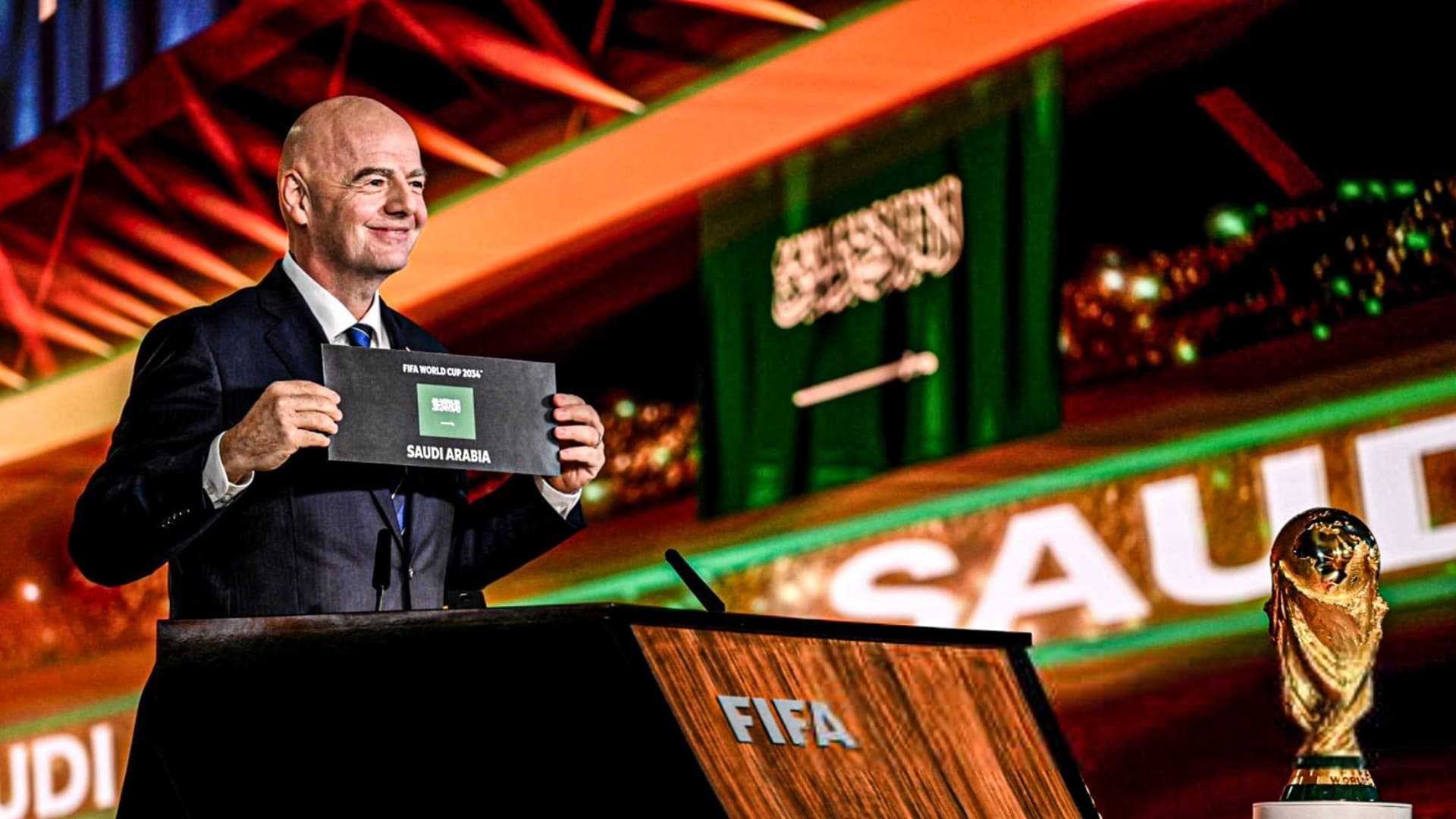

Saudi Arabia's decision to host the 2034 World Cup has sparked global debate. One of the most prominent issues, and one that has generated controversy, is the ban on alcohol during the event.
Prince Khalid bin Bandar Al Saud, the Saudi ambassador to the United Kingdom, confirmed in an interview with LBC that due to the country's Islamic laws, the consumption of alcoholic beverages will be strictly prohibited during the World Cup. This news has been met with a range of reactions, from understanding of cultural traditions to criticism from those who believe it restricts individual freedom and impacts the fan experience.
A Cultural Clash
The ban on alcohol at such a major sporting event represents a significant cultural clash. The consumption of alcoholic beverages has traditionally been associated with sports celebrations in many countries, and its absence at the 2034 World Cup could significantly alter the atmosphere in stadiums and fan zones.
However, it is important to remember that Saudi Arabia is a country with laws and customs that differ from those of many Western nations. The prohibition of alcohol is part of a value system deeply rooted in Saudi society. By agreeing to host the World Cup, Saudi Arabia has sent a clear message: visitors must respect the laws and traditions of the host country.
Economic and Tourism Implications
The ban on alcohol also has economic and tourism implications. The alcohol industry is a significant source of revenue in many countries, and its absence at an event like the World Cup could lead to significant financial losses. Additionally, some fans may choose not to attend the tournament due to this restriction.
On the other hand, Saudi Arabia hopes that the World Cup will serve as a catalyst for the country's tourism development. By investing in infrastructure and promoting its cultural attractions, the Saudi government aims to attract millions of visitors. The ban on alcohol could be seen as an obstacle to this goal, but it could also be an opportunity to highlight other aspects of Saudi culture, such as its rich history and hospitality.
The Debate Continues
The decision to ban alcohol at the 2034 World Cup has opened up a broad debate about cultural values, individual freedom, and economic impact. While it is understandable that some fans may be disappointed, it is important to respect the laws and traditions of the host country.
Ultimately, hosting the World Cup in Saudi Arabia represents a unique opportunity to experience a different culture and a sporting event in a completely new context. By adapting to local customs, fans can fully enjoy the experience and contribute to a rich cultural exchange.