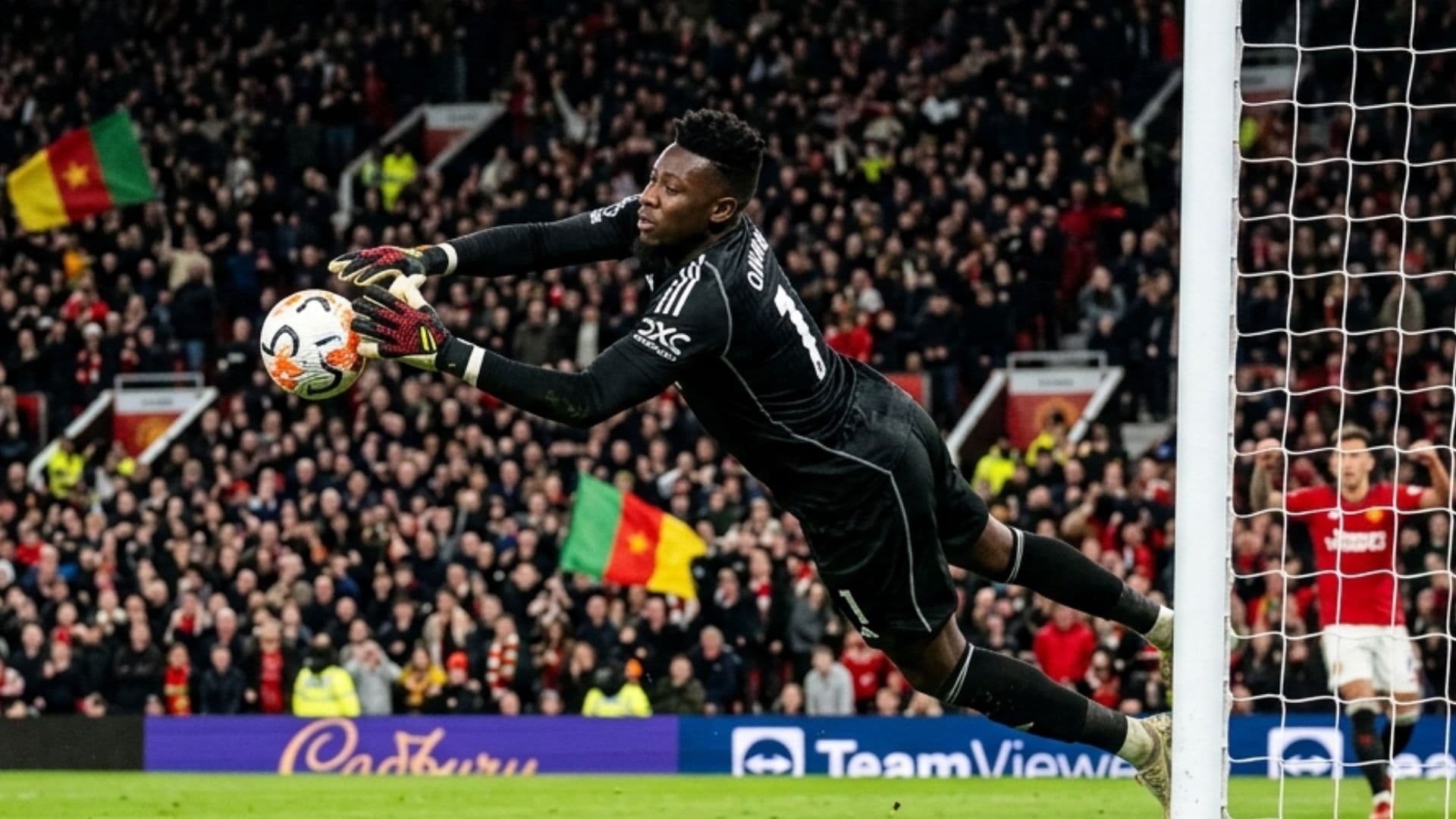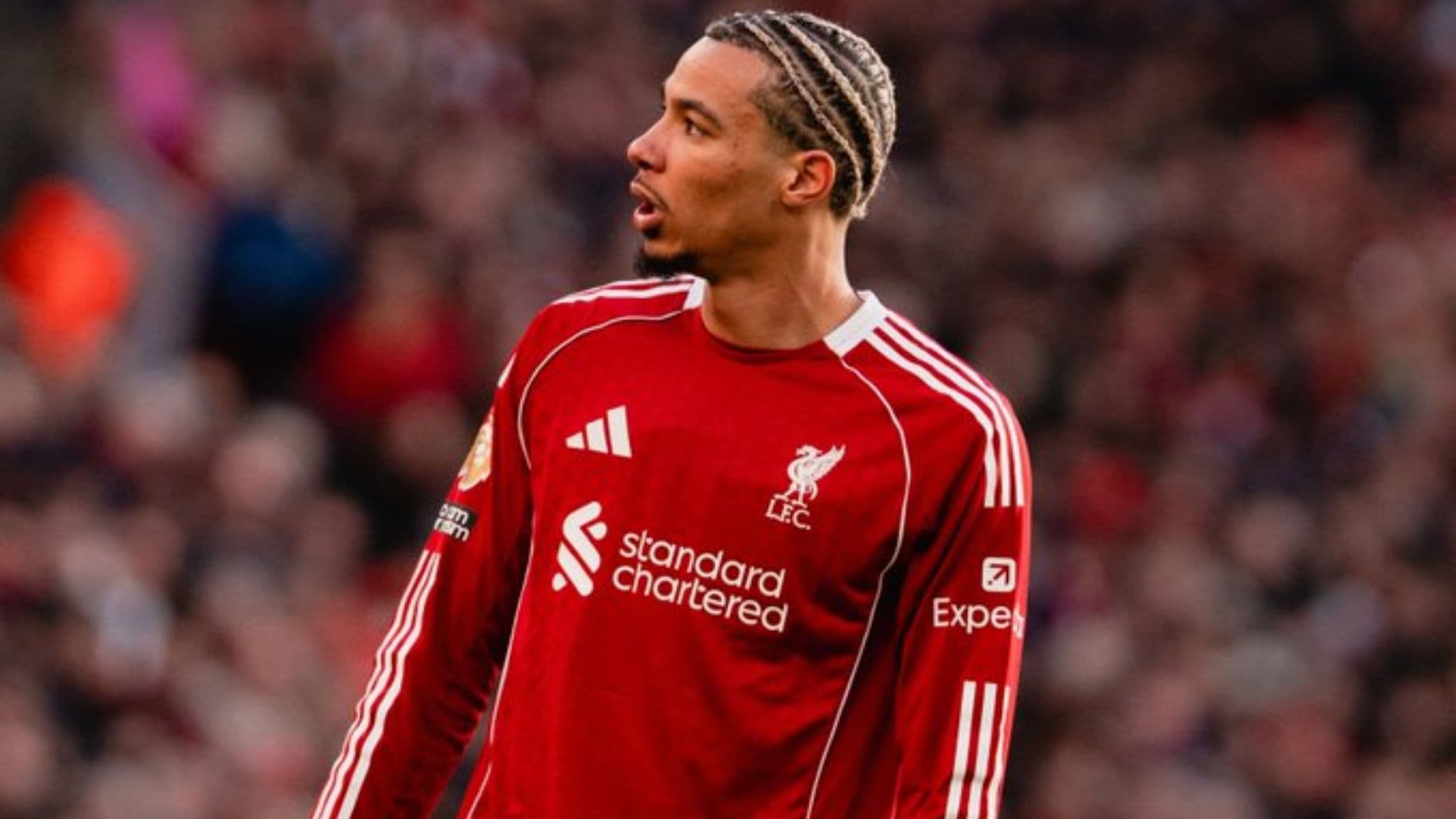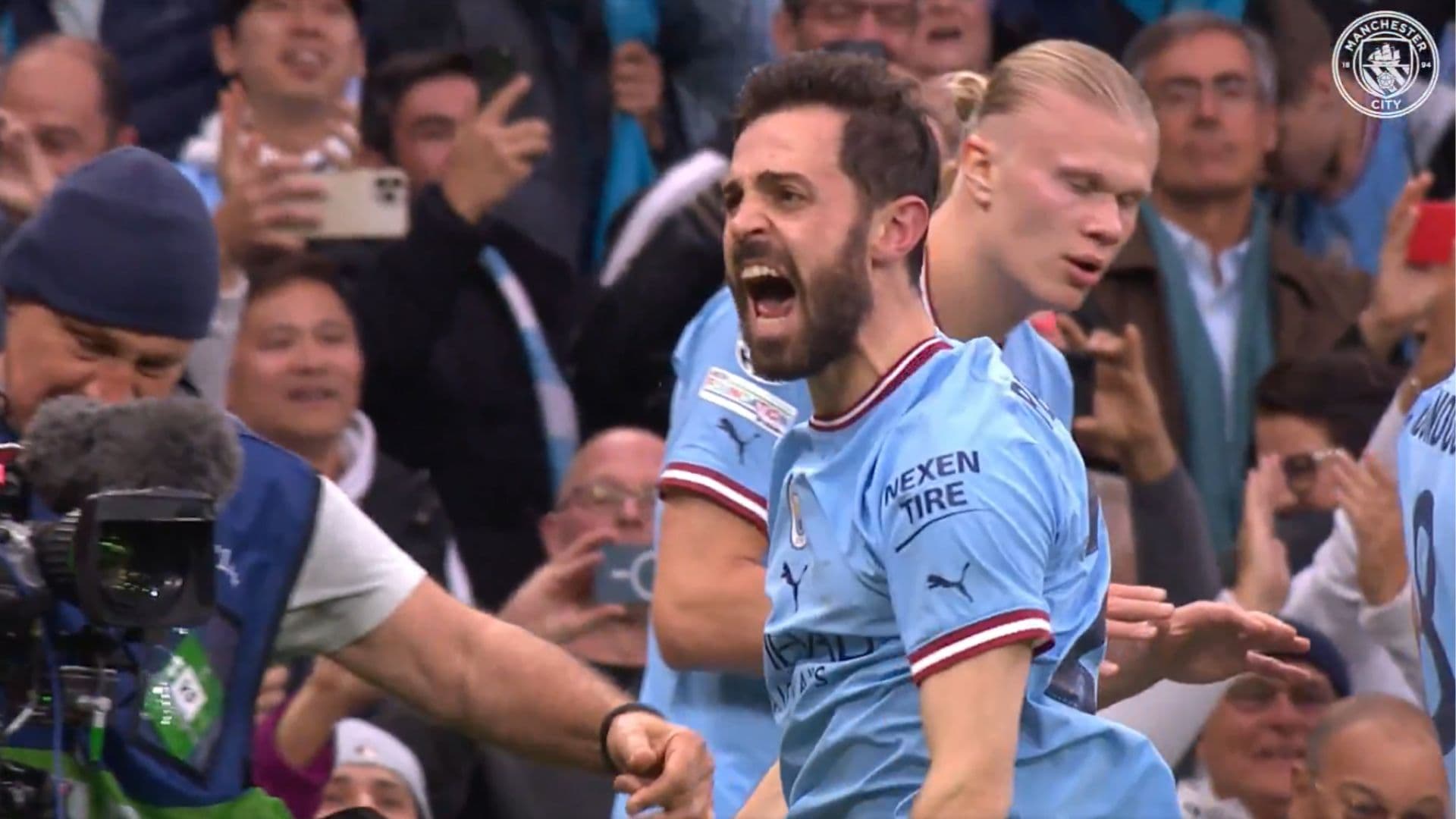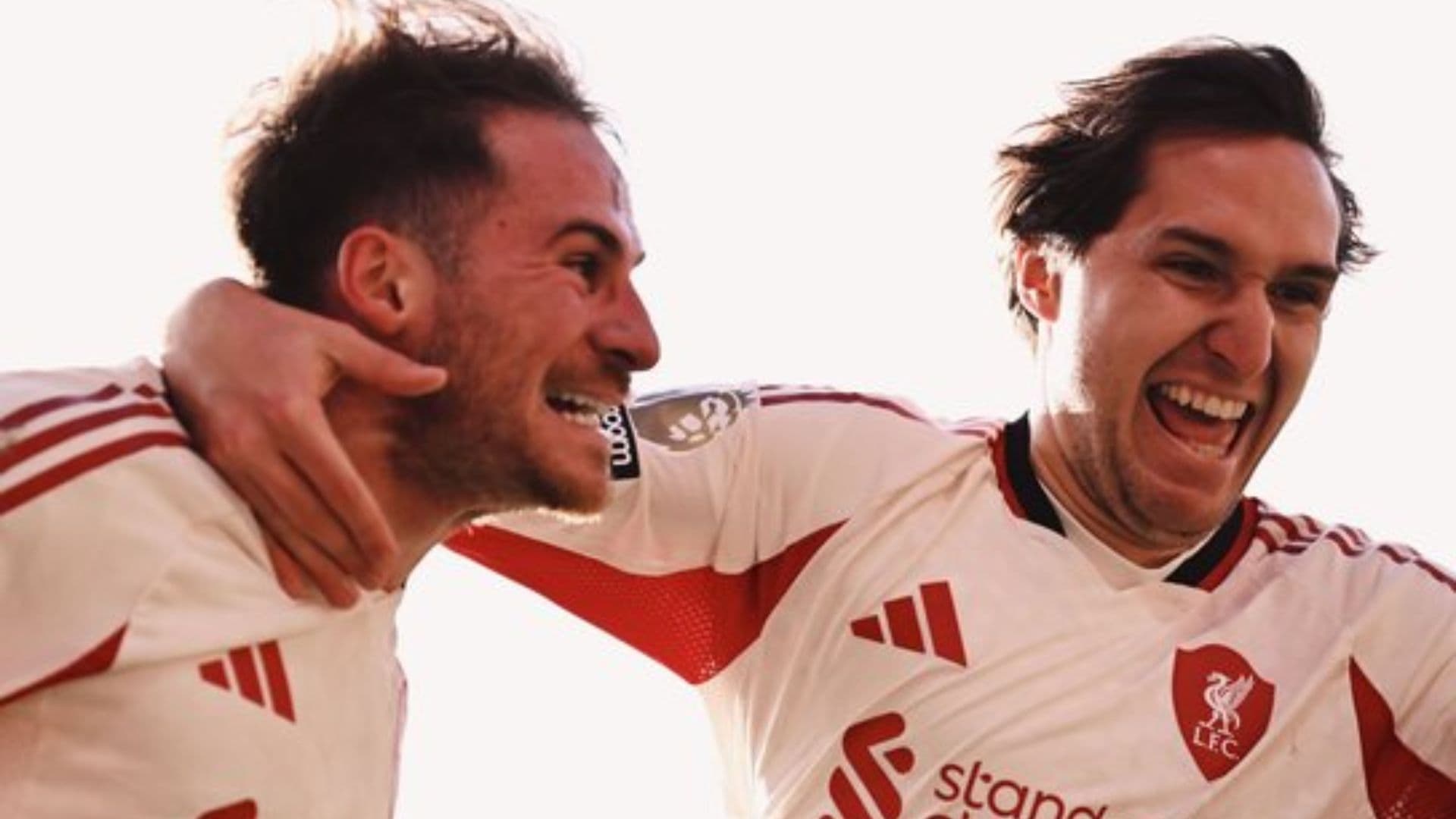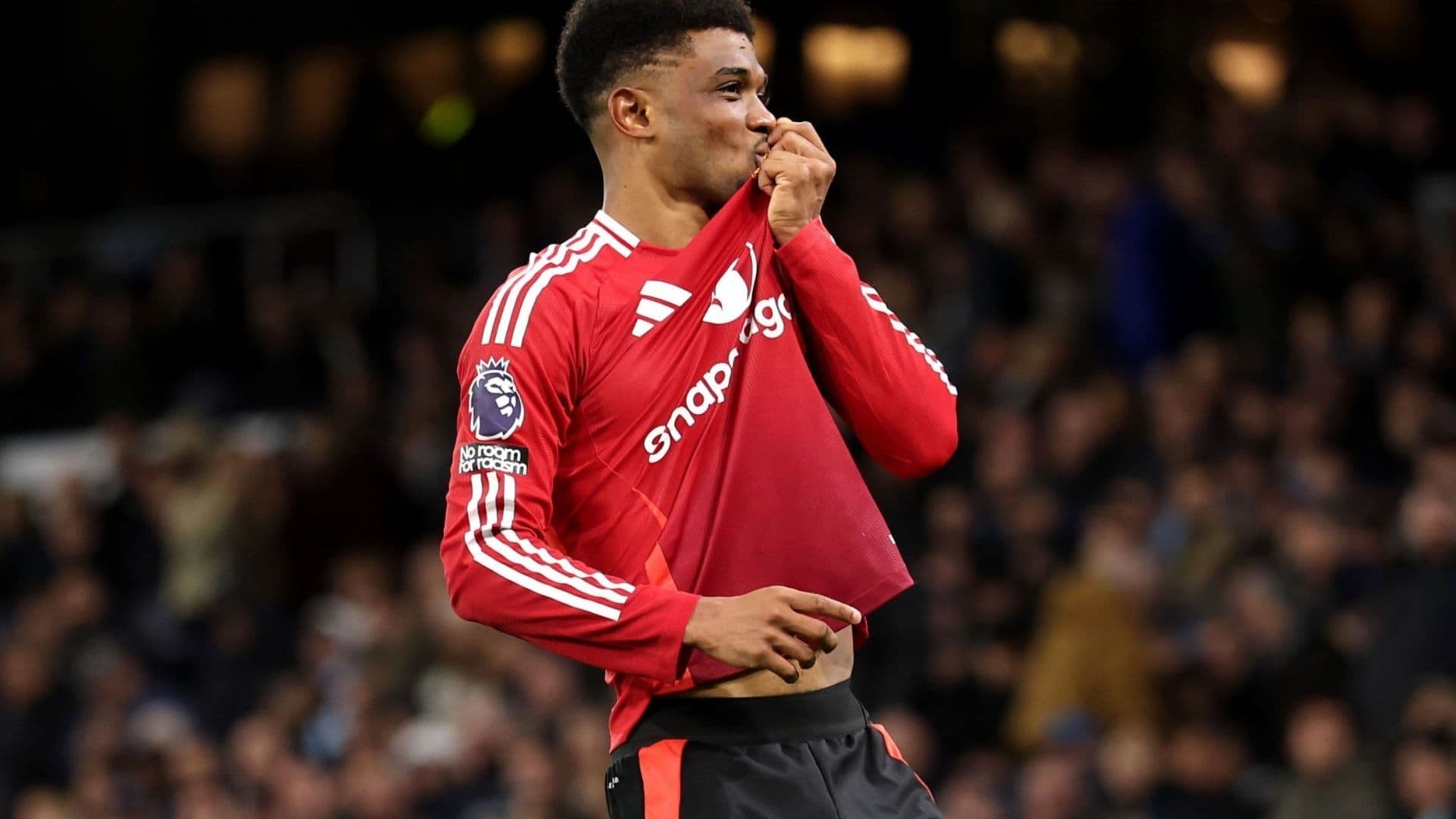

Just when it looked like it was going to be a tight victory for Manchester City in the City Derby, goals from Bruno Fernandes and Amad Diallo in 2 minutes at the end of the match turned the score around and made the final score 2-1, silencing the Etihad Stadium.
Manchester Derby: A Storied Rivalry in English Football
The Manchester Derby, a football rivalry that sees Manchester United face Manchester City, is one of the most iconic and fiercely contested derbies in the world of football. The match not only captures the imagination of fans across the globe but also represents a clash of two different eras, styles, and ambitions within the footballing landscape of Manchester and beyond. The city of Manchester, once divided by industrial lines, now finds itself divided by two footballing giants whose rivalry has grown in significance, intensity, and global reach over the years.
Origins of the Rivalry
The roots of the Manchester Derby stretch back to the late 19th century. The two clubs, Manchester United and Manchester City, were originally founded as Newton Heath and St. Mark’s, respectively. Both clubs underwent several changes before becoming the powerhouses they are today, with United being rebranded after financial difficulties and City becoming a major contender in the footballing world following their rise through the ranks.
Historically, the rivalry was more defined by Manchester United's dominance, with the Red Devils often regarded as the city's primary football team. However, the rise of Manchester City in the 2010s, particularly after the club was taken over by the Abu Dhabi United Group in 2008, shifted the balance of power in Manchester. United had long been the dominant force in the city, but the emergence of City as a serious challenger created a new chapter in the history of the derby.
A New Era of Competitiveness
For decades, Manchester United were the undisputed kings of Manchester and English football. Under legendary manager Sir Alex Ferguson, United dominated both domestic and international football, amassing numerous league titles and European trophies. City, on the other hand, struggled to match their neighbors' success, often finishing as also-rans in the Premier League and being overshadowed by United’s achievements.
However, the arrival of Sheikh Mansour’s ownership of Manchester City changed everything. City’s newfound wealth allowed them to sign top-tier players, and the club soon became a force to be reckoned with in the Premier League. The rivalry intensified as City started challenging United for top honors, with players like Sergio Agüero, Yaya Touré, and Kevin De Bruyne emerging as key figures.
One of the most memorable moments in the modern derby came in 2012 when Manchester City won their first Premier League title in 44 years in dramatic fashion. A last-minute goal from Sergio Agüero against Queens Park Rangers sealed the title on the final day of the season, with United finishing just behind them. This moment not only symbolized City’s rise but also marked a significant shift in the balance of power in Manchester.
The Tactical Battle
The derby is not only a battle of passion and pride but also a tactical contest between two of the most high-profile managers in world football. The tactical approaches of United and City have evolved over time, reflecting the changing philosophies of the teams’ respective managers.
Under Sir Alex Ferguson, United were known for their attacking flair, quick transitions, and relentless pursuit of goals. Ferguson’s ability to adapt and motivate his players made him one of the most successful and revered managers in the game. His battles with City were often marked by a more direct and combative style of play, with United looking to assert their dominance both in terms of possession and physicality.
In contrast, Manchester City under Pep Guardiola has developed a style of play that is widely regarded as one of the most sophisticated in modern football. Guardiola’s emphasis on possession-based football, intricate passing, and high pressing has transformed City into a well-oiled machine that controls the tempo of games and breaks down opposition defenses with ease. Guardiola’s philosophy is a far cry from the more direct approach used by Ferguson, and this contrast in tactical styles makes the derby all the more captivating.
The Global Impact
The Manchester Derby has grown far beyond the confines of the city, with millions of fans around the world eagerly anticipating the clash. Both Manchester United and Manchester City boast massive global fanbases, and their rivalry has transcended the Premier League, becoming a global spectacle. The match is broadcast in nearly every country, drawing millions of viewers from all corners of the globe.
The global reach of the derby has also made it an important commercial event for both clubs. Sponsorships, merchandise sales, and broadcasting deals have made the fixture one of the most lucrative in world football. The worldwide audience also means that the stakes are not only high on the pitch but also in terms of financial revenue and brand power for both clubs.
Future of the Rivalry
Looking ahead, the Manchester Derby will continue to be one of the most significant fixtures in the football calendar. With both clubs boasting world-class squads and high-profile managers, the rivalry is unlikely to fade anytime soon. Manchester United, under their current manager Erik ten Hag, will be keen to reclaim their status as the dominant force in the city, while Manchester City will continue their pursuit of domestic and European glory under Pep Guardiola.
As the landscape of English football continues to evolve, the Manchester Derby will remain a thrilling spectacle that captures the passion, drama, and intensity of football at its best. For fans, players, and managers alike, it is more than just a game; it is a representation of the fierce pride that defines Manchester and its two great football clubs. Whether it’s for local bragging rights or for the pursuit of titles, the Manchester Derby will always be a fixture that defines the footballing year.