Brexit, the United Kingdom's departure from the European Union, has brought significant transformations across various sectors, and English football is no exception. Since its implementation, noticeable changes in the Premier League and lower divisions have reshaped the dynamics of the sport in the country.
Restrictions on signing foreign players
New criteria for work permits
With Brexit, footballers from EU countries no longer benefit from free movement and are now considered non-EU players. To join English clubs, they must obtain a work permit (GBE), granted through a points-based system evaluating factors such as:
- National team appearances.
- Quality of the originating league.
- Minutes played in official competitions.
This system has limited the arrival of young players and emerging talents who do not meet the established criteria.
Impact on lower divisions
These restrictions also affect lower division clubs, such as League Two, which have increased their recruitment of local or lower-league players to adapt to the new regulations, reducing reliance on foreign talent.

Increased opportunities for local players
The English Football Association (FA) has seen Brexit as an opportunity to promote national talent. Restrictions on foreign players have pushed clubs to focus more on developing and promoting English footballers, increasing their presence in Premier League and lower-division squads.
Changes in transfer policies
Limitations on signing underage players
Since Brexit, English clubs are prohibited from signing players under 18 from EU countries, following FIFA regulations banning international transfers of minors outside the European Economic Area. This has blocked the arrival of young European prospects, as was the case with players like Cesc Fàbregas or Gerard Piqué in the past.
Increased transfer costs
The new regulations have led to higher average transfer costs, particularly from countries like Portugal, where the average price per player has reached significant levels. This trend reflects increased competition and the challenges of accessing international talent.
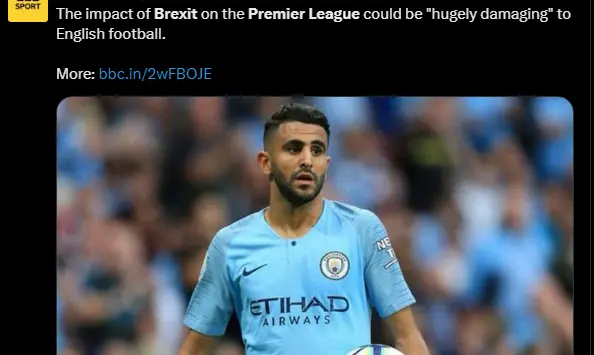
Challenges for diversity in the Premier League
The Premier League, known for its diversity and quality, faces challenges in maintaining its international appeal. Post-Brexit restrictions complicate the arrival of top-tier European players, potentially affecting the league’s competitiveness and entertainment value in the future.
Strategic adaptations by clubs
Given this scenario, English clubs have adjusted their recruitment and talent development strategies. There is increased investment in local academies and the training of young English footballers to compensate for Brexit-imposed limitations and ensure long-term sporting sustainability.
What you need to know about Brexit’s impact on English football
- Work permits: EU players now require a points-based permit to play in England.
- Promoting local talent: Restrictions have boosted the development of English footballers in domestic leagues.
- Youth signings: Clubs can no longer sign under-18 players from EU countries.
- Rising costs: International transfers have become more expensive due to new regulations.
- Challenges for diversity: The Premier League faces hurdles in maintaining its diversity and international appeal.