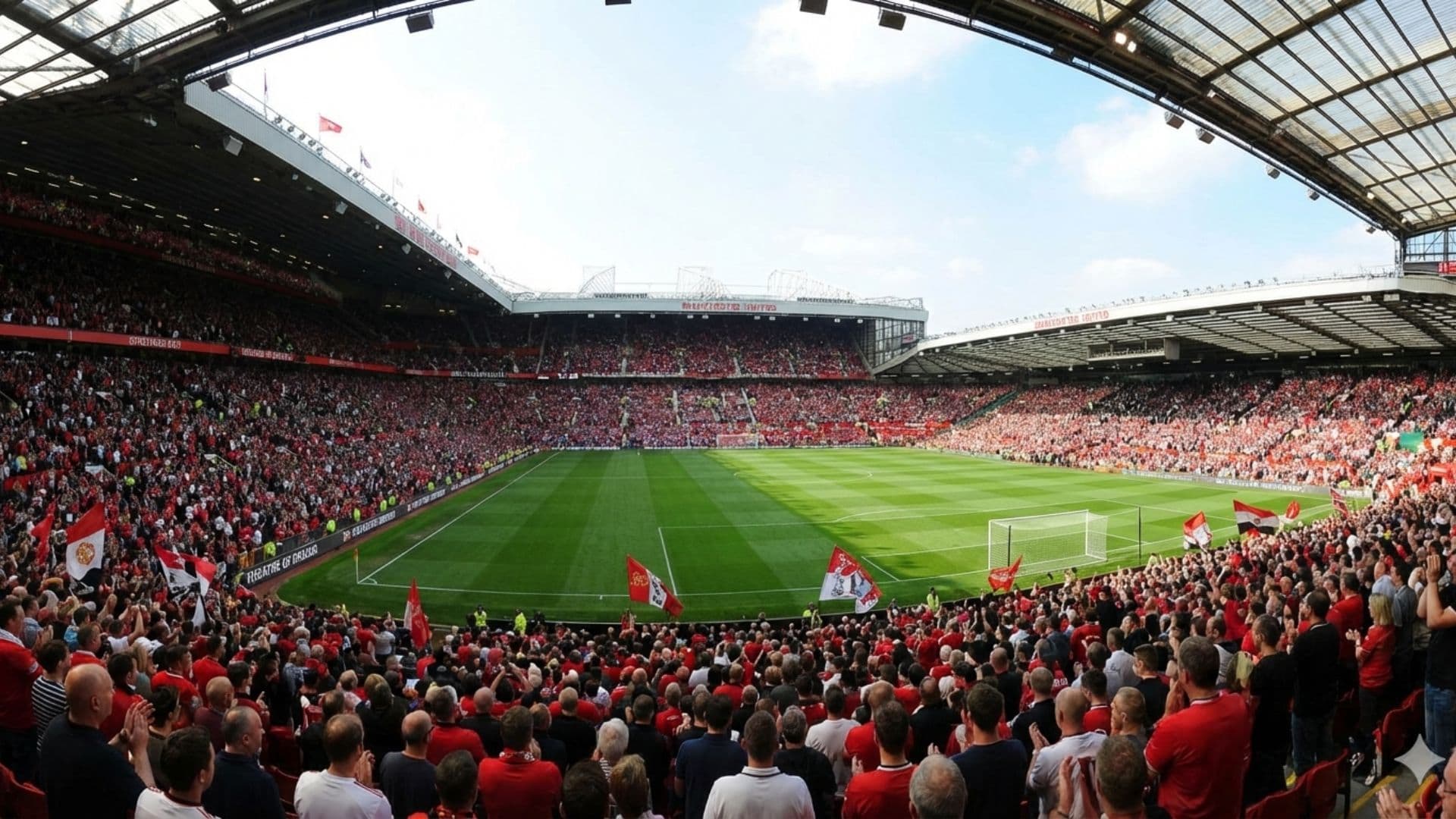

The ownership landscape of Manchester United is shifting once again. American billionaire and hedge fund veteran Leon Cooperman has significantly increased his stake in the club, now holding nearly 2.9 million shares. This move consolidates his position during a period of profound sporting and corporate transformation at Old Trafford.
Cooperman, the 82-year-old founder of Omega Advisors, first dipped his toes into the United waters in late 2023, acquiring roughly one million shares just before Sir Jim Ratcliffe finalized his minority stake. According to recent financial reports in the UK, Cooperman’s Class A share package now represents approximately 5% of the club, with the total value of his investment exceeding $50 million.
Shares, Authority, and the Voting Gap
While Cooperman’s investment is substantial, it doesn't necessarily translate to "power" in the boardroom. Manchester United’s dual-class share structure remains a hurdle for minority investors:
- Class A Shares (Cooperman): These carry one vote per share.
- Class B Shares (The Glazers): These carry ten votes per share.
This discrepancy ensures the Glazer family maintains a firm grip on the steering wheel, holding roughly 67% of the total voting rights. Under the current agreement, Jim Ratcliffe (INEOS) controls nearly 28% of the voting power and has taken the lead on all football operations. Meanwhile, the Glazers have retreated to the "business side," focusing on global commercial growth.
Despite his personal fortune exceeding $3.6 billion, financial insiders suggest Cooperman is not planning a hostile takeover. For now, he remains a high-profile investor betting on the club's long-term financial recovery.
A Club in Constant Metamorphosis
Old Trafford is currently a construction site—both literally and figuratively. While Ratcliffe has introduced sweeping changes to the sporting structure and promised modernization of the stadium, the atmosphere remains volatile.
In recent weeks, organized fan groups have reignited their campaign against the Glazer family’s continued involvement. Collectives like "The 1958" have staged protests and displayed banners before key matches, arguing that the club has lost its competitive soul over the last decade. For these supporters, shifting share percentages mean very little if the historical identity of Manchester United isn't fully restored.