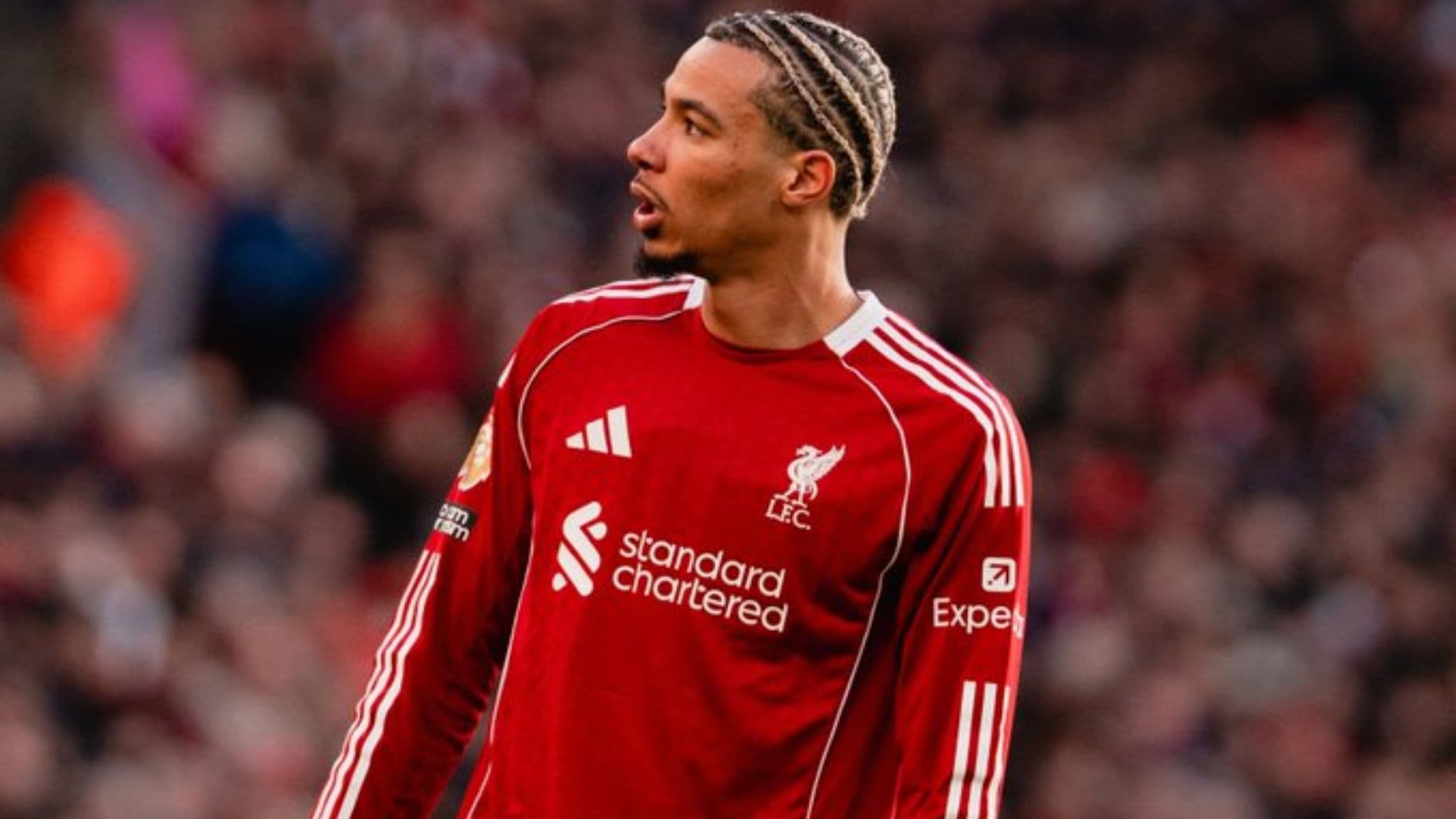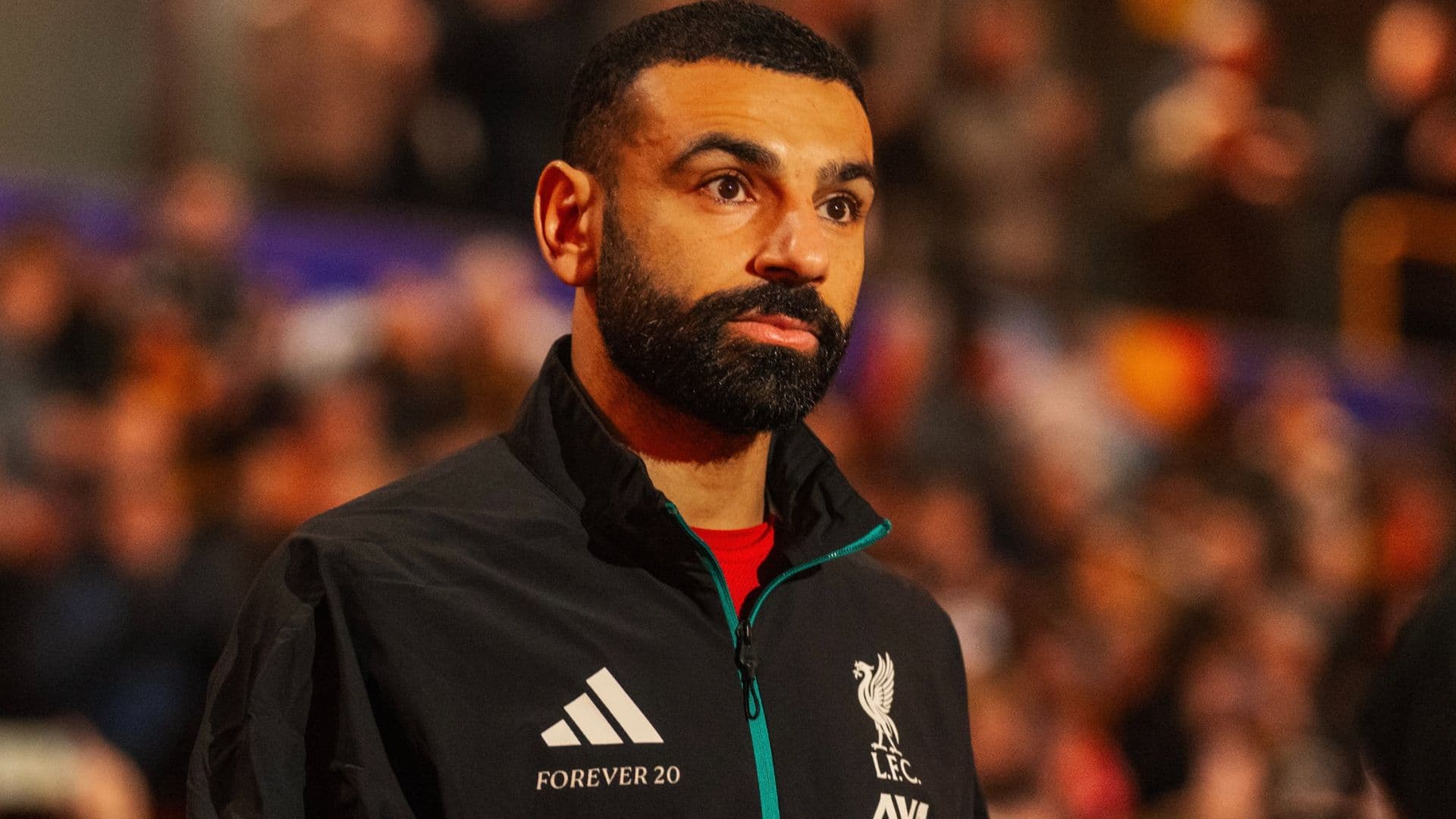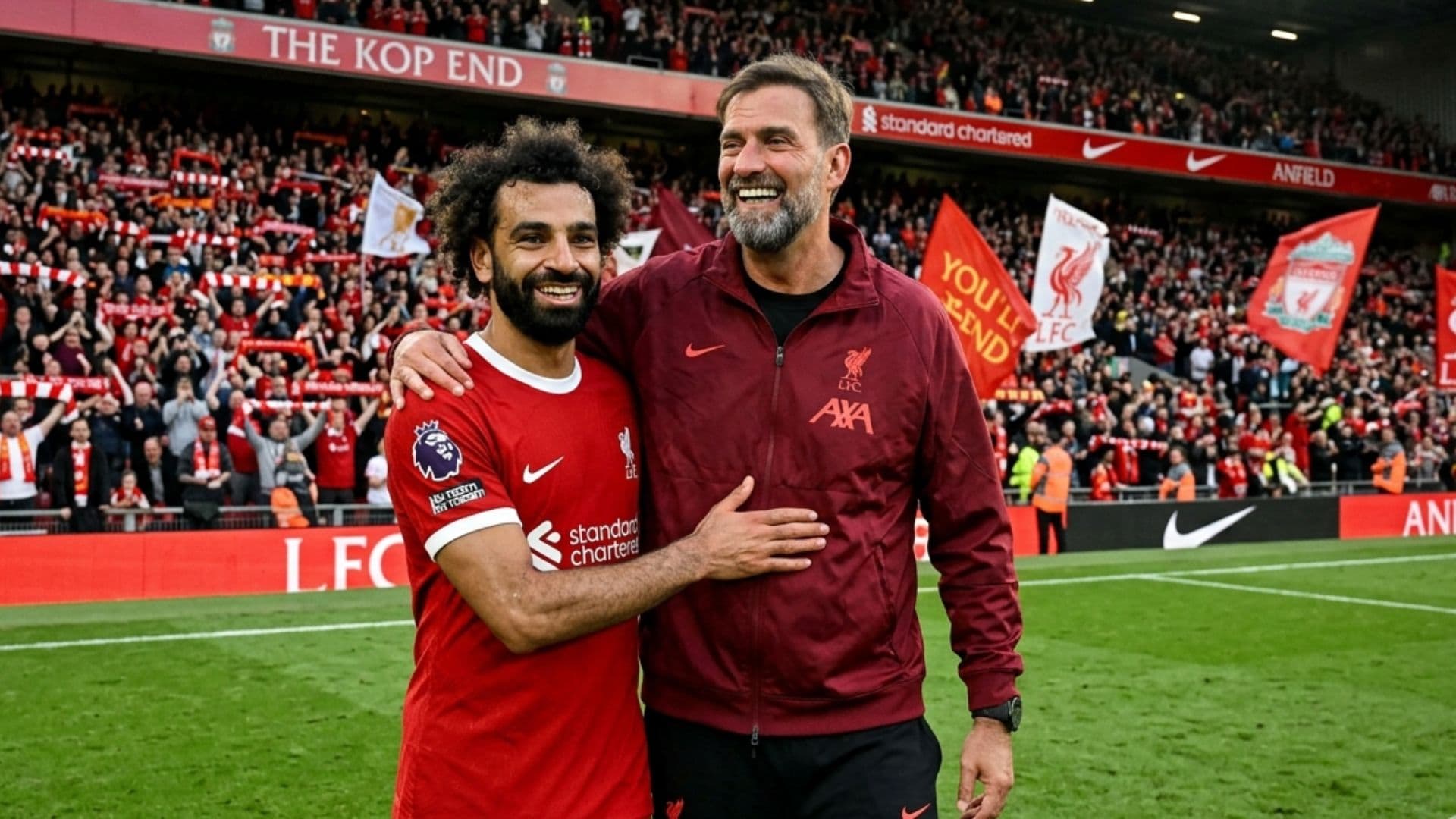

As Liverpool FC navigates one of the most significant transitional periods in its modern history, the question of how to replace the irreplaceable looms large over Merseyside. However, Jürgen Klopp has a definitive and perhaps surprising vision for the future: the club must stop looking for a "carbon copy" of its greatest stars. Instead of scouring the global market for a player who mimics the exact movements and output of Mohamed Salah, the German manager is advocating for a complete tactical evolution.
Evolution Over Imitation: The "Anti-Clone" Strategy
For Klopp, the logic is simple but profound. Attempting to find a direct replacement for a generational talent is often a recipe for failure. History is littered with clubs that struggled to replace legends by signing "the next" version of them, only to find the pressure too great and the fit never quite right. At Liverpool, the goal is now to change and improve the collective rather than just plugging a hole in the starting XI.
The German tactician believes the key to sustained success at the elite level is the creation of a new style of play. By shifting the tactical framework, the team can move away from being overly dependent on the specific brilliance of a single individual. This "system-first" approach ensures that when a legendary figure eventually moves on, the structure remains robust, allowing different types of players to thrive without the impossible burden of replicating a predecessor's unique genius.
Protecting the Next Generation: The Burden of Comparison
One of Klopp's primary concerns is the psychological welfare of incoming talent. He has been vocal about how unfair it is to compare any rising star—regardless of their potential—to the "all-time greats" of Anfield. When a young winger arrives at the club, being labeled as the "New Salah" creates an immediate ceiling and a high-stress environment that can stifle growth.
By evolving the system to a more distributed offensive model, Klopp intends to shield new signings from these toxic comparisons. The focus is on finding players who offer imbalance, speed, and creativity, but within a framework that values the collective effort over the individual highlight reel.
The Longevity of "The Egyptian King"
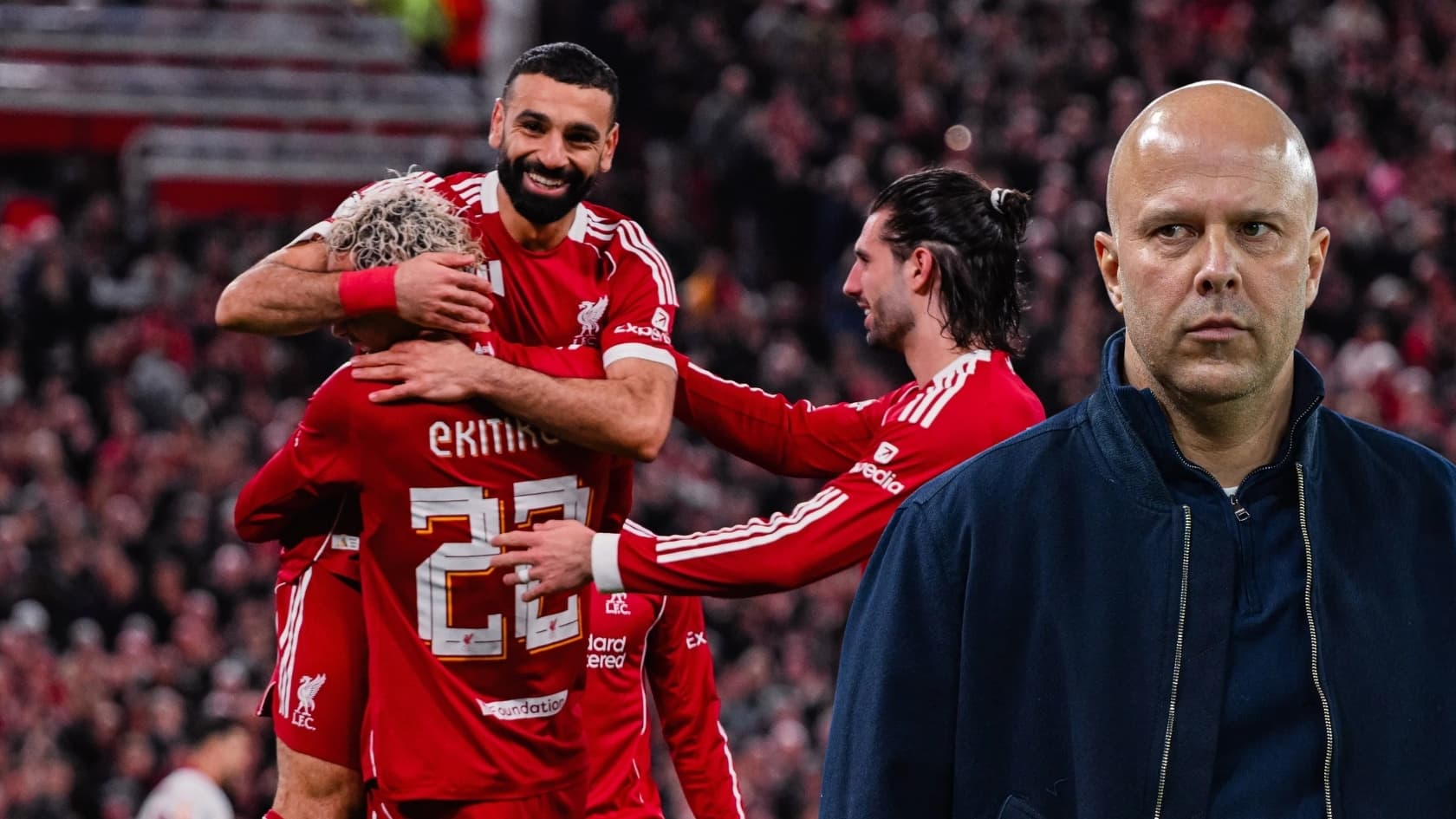
Despite the forward-thinking plans, Klopp remains adamant that Mohamed Salah is far from a finished chapter. The manager has frequently praised Salah’s professional discipline and physical conditioning, suggesting that the "Egyptian King" could easily continue competing at the highest European level for several more seasons.
This longevity provides Liverpool with a luxury rarely seen in football: the time to evolve. Salah’s continued presence allows the club to integrate new profiles slowly, ensuring that his eventual departure isn't a shock to the system, but rather a seamless transition into a pre-established "Liverpool 2.0." For Klopp, Salah’s legacy isn't just about the goals he has scored, but about the foundation he is helping to build for the next decade of dominance at Anfield.