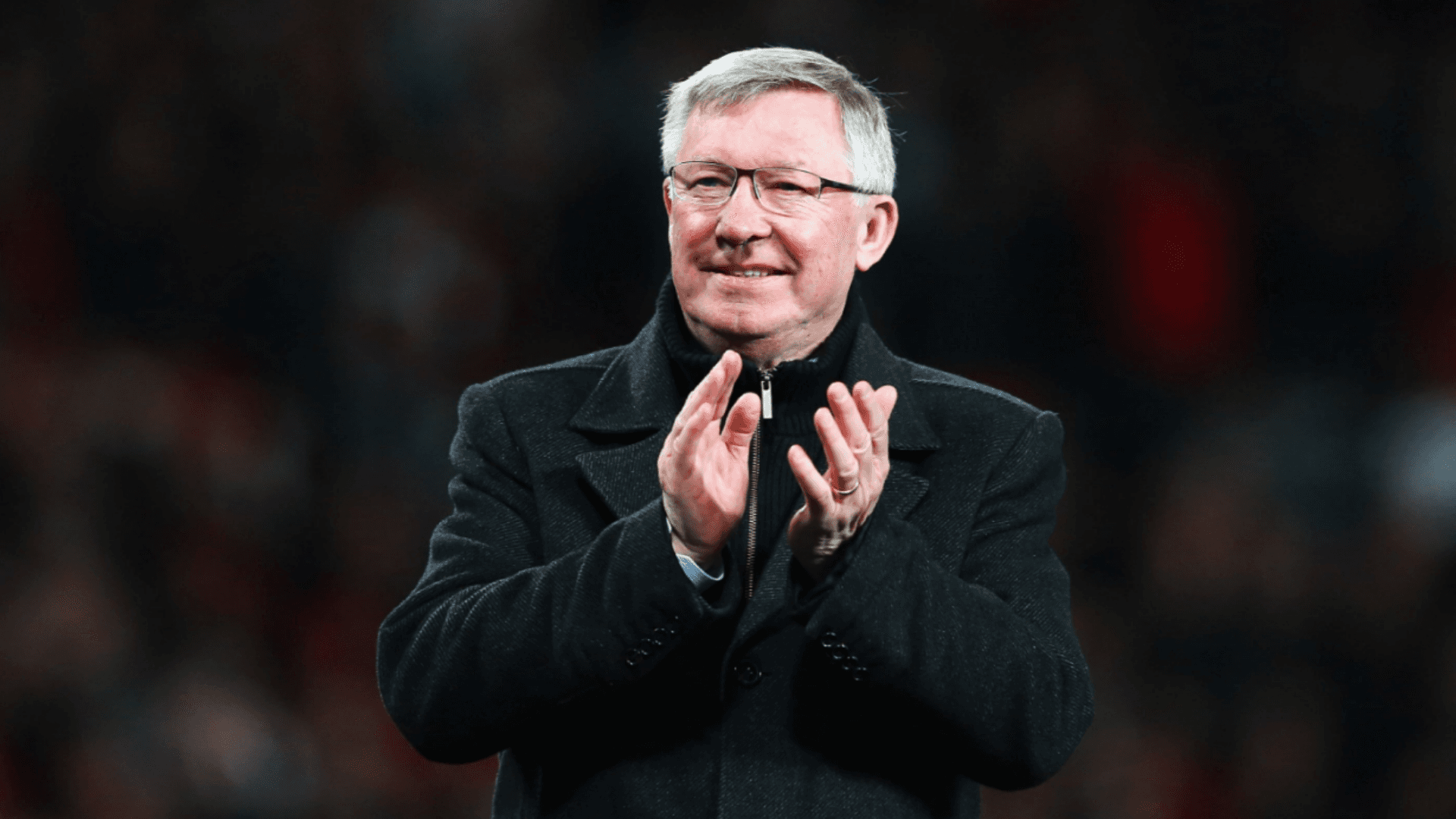

Sir Alex Ferguson's tenure at Manchester United is often hailed as one of the most remarkable dynasties in football history. His leadership transformed the club into a dominant force, both domestically and internationally, setting benchmarks that remain unparalleled.
The Early Years: Laying the Foundation
When Ferguson took the helm in November 1986, Manchester United was struggling in the league. His initial seasons were challenging, with the club finishing 11th in his debut season. However, Ferguson's unwavering commitment to discipline and a long-term vision began to reshape the team's ethos. A pivotal moment came in 1990 when United clinched the FA Cup, marking Ferguson's first major trophy with the club. This victory not only silenced critics but also set the stage for future successes.
Domestic Dominance: Premier League Triumphs
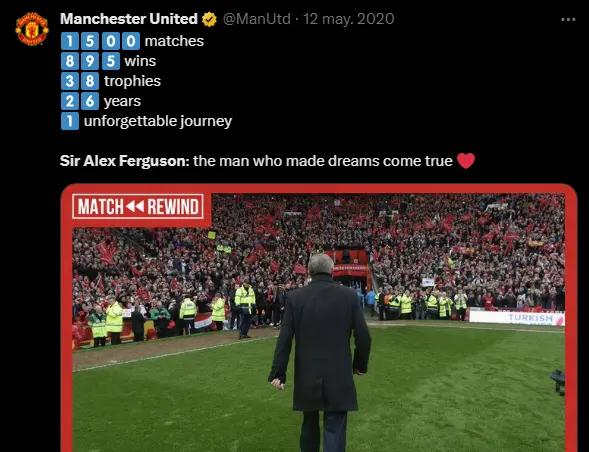
Under Ferguson's guidance, Manchester United secured 13 Premier League titles. The inaugural Premier League season in 1992-93 saw United end a 26-year league title drought. This success was built upon a blend of experienced players and emerging talents, a testament to Ferguson's keen eye for nurturing potential. The mid-90s witnessed United achieving the "Double" twice, winning both the Premier League and FA Cup in the same season, underscoring their domestic supremacy.
The Treble Season: A Historic Feat
The 1998-99 season stands out as a pinnacle in Ferguson's career. Manchester United became the first English club to win the Premier League, FA Cup, and UEFA Champions League in a single season—a feat known as the Treble. The Champions League final was particularly dramatic, with late goals from Teddy Sheringham and Ole Gunnar Solskjær securing victory over Bayern Munich. This remarkable comeback is etched in football folklore and exemplifies Ferguson's never-say-die attitude.
European Ventures: Champions League Glory
Beyond domestic success, Ferguson aspired to establish Manchester United as a European powerhouse. The club's first UEFA Champions League triumph under his management came in 1999, followed by another in 2008. The latter saw United defeat Chelsea in a tense penalty shootout in Moscow, highlighting Ferguson's tactical acumen on the grandest stages.
Cultivating Talent: The Class of '92
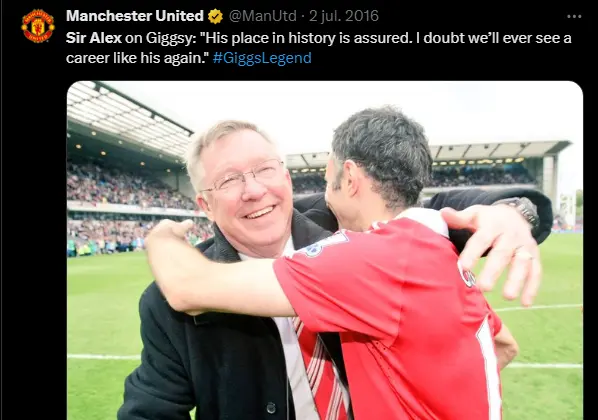
A cornerstone of Ferguson's strategy was his emphasis on youth development. The emergence of the "Class of '92," featuring players like David Beckham, Ryan Giggs, Paul Scholes, and the Neville brothers, showcased his commitment to nurturing homegrown talent. These players became integral to United's success, embodying the club's spirit and work ethic.
Leadership and Legacy
Ferguson's management style was characterized by meticulous attention to detail, psychological insight, and an unrelenting drive for excellence. His ability to adapt tactics, manage egos, and maintain high standards fostered a winning culture at Old Trafford. Upon his retirement in 2013, Ferguson had amassed 38 trophies with Manchester United, cementing his legacy as one of football's greatest managers.
Challenges and Resilience
Ferguson's journey was not without obstacles. Early criticisms, intense rivalries, and the pressure to consistently deliver success tested his resilience. Notably, his rivalry with Arsenal's Arsène Wenger and later with Chelsea's José Mourinho added intrigue to the Premier League narrative. Ferguson's ability to navigate these challenges and maintain United's competitive edge speaks volumes about his managerial prowess.
The Post-Ferguson Era: An Enduring Influence
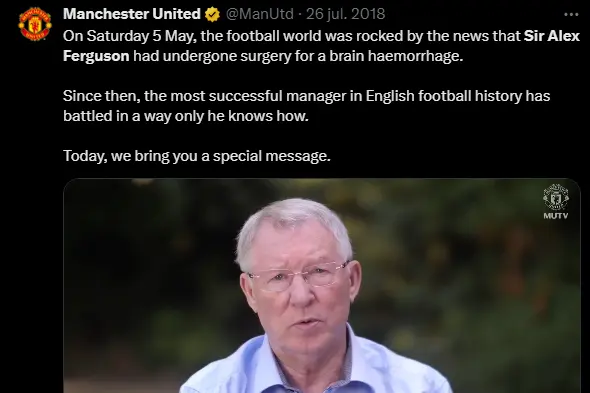
Since Ferguson's departure, Manchester United has experienced mixed fortunes, underscoring the magnitude of his achievements. The club's quest to replicate his success highlights the unique challenges of sustaining a footballing dynasty. Ferguson's influence remains evident, with his philosophies continuing to shape the club's culture and aspirations.
What You Should Know About Ferguson's Manchester United Dynasty
- Sir Alex Ferguson managed Manchester United from 1986 to 2013, transforming the club into a dominant force in football.
- He led the team to 13 Premier League titles, cementing their domestic dominance.
- The 1998-99 season saw United achieve the historic Treble: Premier League, FA Cup, and UEFA Champions League.
- Ferguson emphasized youth development, with the "Class of '92" becoming pivotal to the club's success.
- His tenure concluded with a total of 38 trophies, leaving an enduring legacy at Old Trafford.