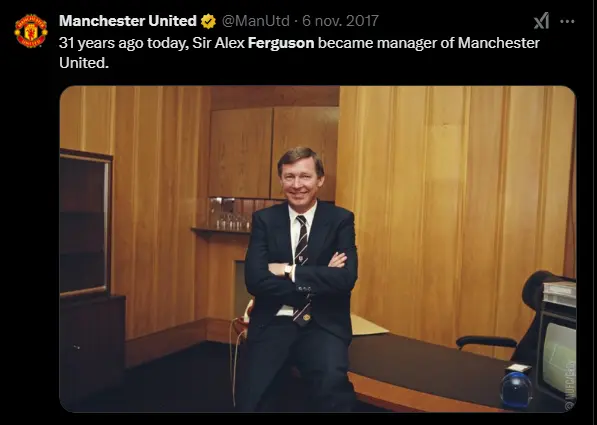
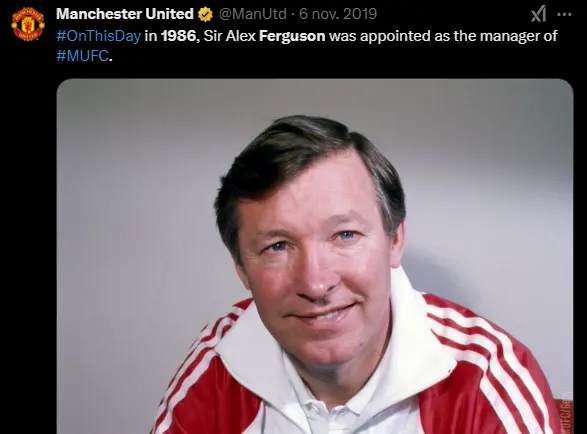
In November 1986, Manchester United faced a critical juncture, languishing near the bottom of the First Division standings. The club's management sought a transformative leader to reverse their fortunes, leading to the appointment of Alex Ferguson as manager on November 6, 1986. Ferguson's inaugural year at Old Trafford was marked by significant challenges, strategic assessments, and foundational changes that, while not immediately yielding success, set the stage for future triumphs.
Immediate Challenges Upon Arrival
Upon taking the helm, Ferguson was confronted with a squad struggling both on and off the pitch.
Assessing Team Performance
At the time of Ferguson's appointment, Manchester United was positioned 21st in the league, a precarious spot just above the relegation zone. The team's performance was inconsistent, and morale was notably low. Ferguson's immediate task was to stabilize results and instill a sense of discipline and purpose within the squad.
Addressing Off-Field Issues
Ferguson quickly identified a pervasive culture of excessive drinking among key players, including Norman Whiteside, Paul McGrath, and even captain Bryan Robson. He was "depressed" by their lack of fitness and recognized that such habits were detrimental to both individual and team performance. Addressing these issues became a priority in his early tenure.
Early Matches and Performance
Ferguson's debut on the touchline provided a glimpse into the challenges ahead.
First Match in Charge
On November 8, 1986, just two days after his appointment, Ferguson led Manchester United against Oxford United. The match resulted in a 2–0 defeat, underscoring the immediate hurdles he faced in turning the team's fortunes around.
Initial Struggles and Gradual Improvement
The subsequent fixtures saw mixed results. A goalless draw against Norwich City was followed by a narrow 1–0 victory over Queens Park Rangers on November 22, marking Ferguson's first win as United's manager. While the team continued to face challenges, there were signs of gradual improvement as players began to adapt to Ferguson's methods.
Strategic Changes and Squad Discipline
Recognizing the need for a cultural shift, Ferguson implemented several strategic changes.
Enhancing Training and Fitness
Ferguson intensified training sessions, emphasizing physical fitness and tactical awareness. He believed that improved conditioning would lead to better performances and reduce the risk of injuries. This approach required players to commit to a more rigorous regimen, setting higher standards for themselves and their teammates.
Implementing Disciplinary Measures
To combat the drinking culture, Ferguson introduced strict disciplinary measures. He monitored players' off-field activities closely, establishing clear expectations for professionalism. This often involved difficult decisions, including confronting senior players and making it clear that adherence to the new standards was non-negotiable.
Season Outcomes and Reflections
The remainder of the 1986–1987 season was a period of adjustment and laying the groundwork for future success.
League Performance
Despite the rocky start, Manchester United managed to climb the league standings, finishing 11th by the end of the season. This mid-table position, while not exemplary, was a significant improvement from the relegation-threatened state of the team upon Ferguson's arrival. It provided a platform to build upon in the coming seasons.
Building for the Future
Ferguson's first year was less about immediate success and more about establishing a foundation. He focused on overhauling the club's scouting and youth development systems, recognizing that long-term success would depend on nurturing young talent and creating a sustainable pipeline for the first team. This strategic vision would later pay dividends as homegrown players became integral to the club's achievements.
What You Should Know About Alex Ferguson's First Year at Manchester United
- Challenging Start: Ferguson inherited a team struggling near the bottom of the First Division, necessitating immediate attention to both performance and morale.
- Cultural Overhaul: He identified and addressed a detrimental drinking culture among key players, implementing strict disciplinary measures to promote professionalism.
- Gradual Improvement: Despite early setbacks, the team improved to an 11th-place finish, setting the stage for future successes.
- Foundation for Success: Ferguson's emphasis on fitness, discipline, and youth development in his inaugural year laid the groundwork for Manchester United's dominance in the years to follow.