
Spain has officially secured the most coveted prize in international sports. On Monday, January 26, 2026, Rafael Louzán, the President of the Royal Spanish Football Federation (RFEF), publicly certified that the 2030 World Cup Final will be played on Spanish soil. This definitive announcement puts an end to months of speculation, diplomatic maneuvering, and the silent tensions that had characterized the joint bid between Spain, Portugal, and Morocco.
Spain: The "Guarantor" of the Centenary
Speaking at the annual gala of the Madrid Sports Press Association, Louzán made it clear that Spain isn't just a host—it is the strategic heart of the tournament. The decision to center the final in Spain acts as a "guarantee" for FIFA, especially following logistical concerns raised during recent international tournaments in North Africa.
Louzán emphasized Spain’s decades of organizational expertise and its world-class infrastructure. "Spain will lead the 2030 World Cup," Louzán declared, reinforcing the country's position as the primary logistical anchor for a tournament that FIFA considers a high-stakes operational challenge due to its transcontinental nature.
The Battle of the Titans: Bernabéu vs. Camp Nou
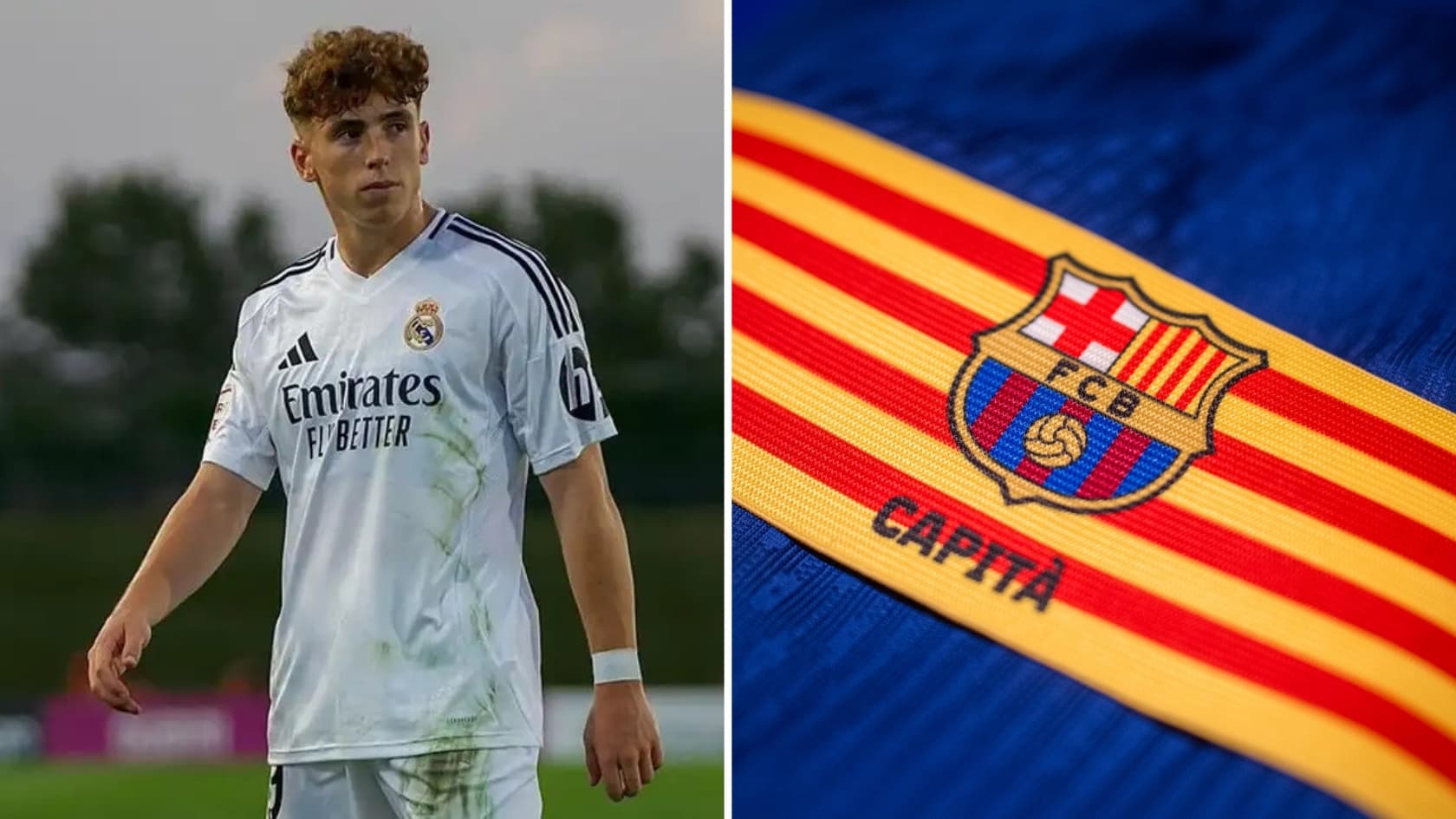
With the final confirmed for Spain, the narrative now shifts to a high-voltage domestic debate: Which stadium will host the crown jewel of football? Two colossal venues are at the center of this clash:
- The Santiago Bernabéu (Madrid): As the crown jewel of the capital and a marvel of high-tech engineering, the Bernabéu is often considered the "logical" choice. Its recent renovation has turned it into a 365-day entertainment hub, and its central location in Madrid gives it a significant advantage in terms of political and administrative convenience.
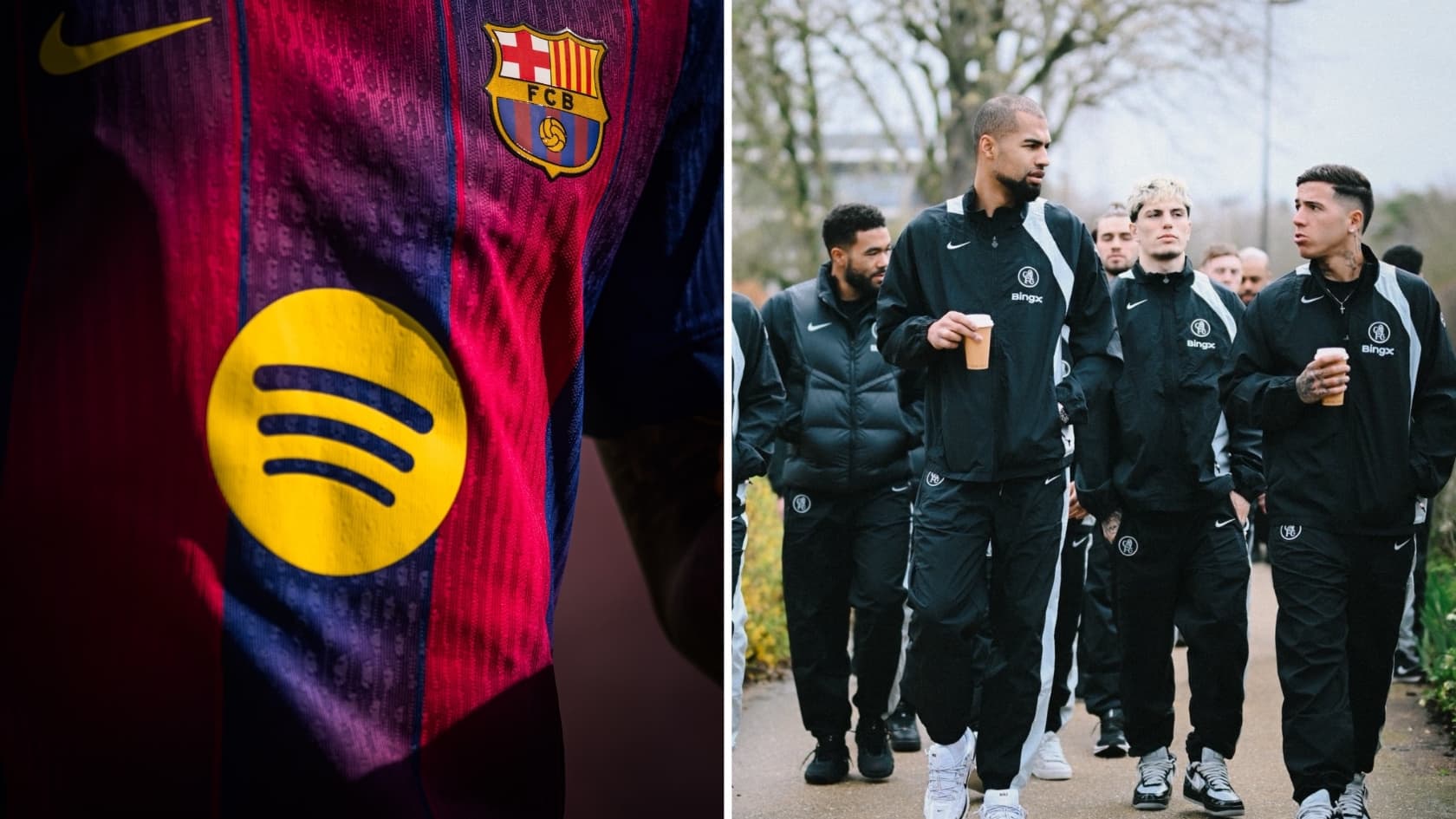
- The Spotify Camp Nou (Barcelona): On the other hand, the newly renovated Camp Nou aims to be the largest stadium in Europe, boasting a capacity of over 105,000 spectators. In a World Cup Final where ticket demand will be unprecedented, the sheer volume of seats in Barcelona is a massive selling point that FIFA cannot ignore.
While the RFEF will have a significant say, the ultimate resolution will come from FIFA in the coming years. For now, both Madrid and Barcelona are preparing to showcase why their respective cathedrals are the rightful home for the 2030 finale.
A World Cup Unlike Any Other
The 2030 edition will be a historic landmark, celebrating 100 years since the first World Cup in Uruguay. In a unique "centenary" format, the tournament will begin with opening matches in Argentina, Uruguay, and Paraguay as an ode to its South American roots, before moving the bulk of the competition to Europe and Africa.
Beyond the pitch, the news has sparked a wave of economic optimism in Spain. Hosting a World Cup Final offers an unparalleled global platform for tourism and trade, projecting the country's image to billions of viewers worldwide.
The Road to 2030
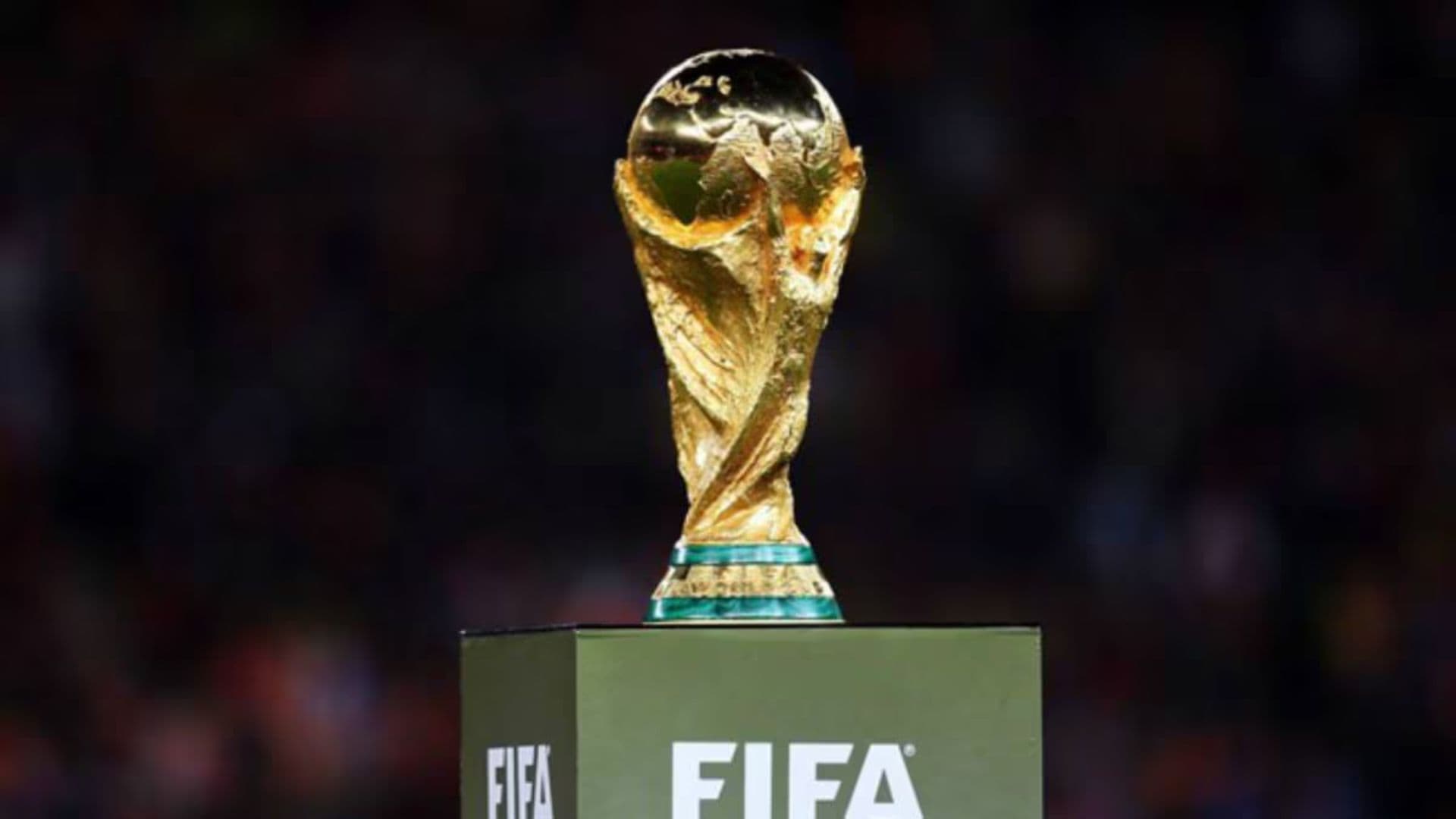
The announcement marks a definitive turning point for Spanish football. Barring an unforeseen shift in FIFA policy, the next world champion will raise the trophy toward the Spanish sky.