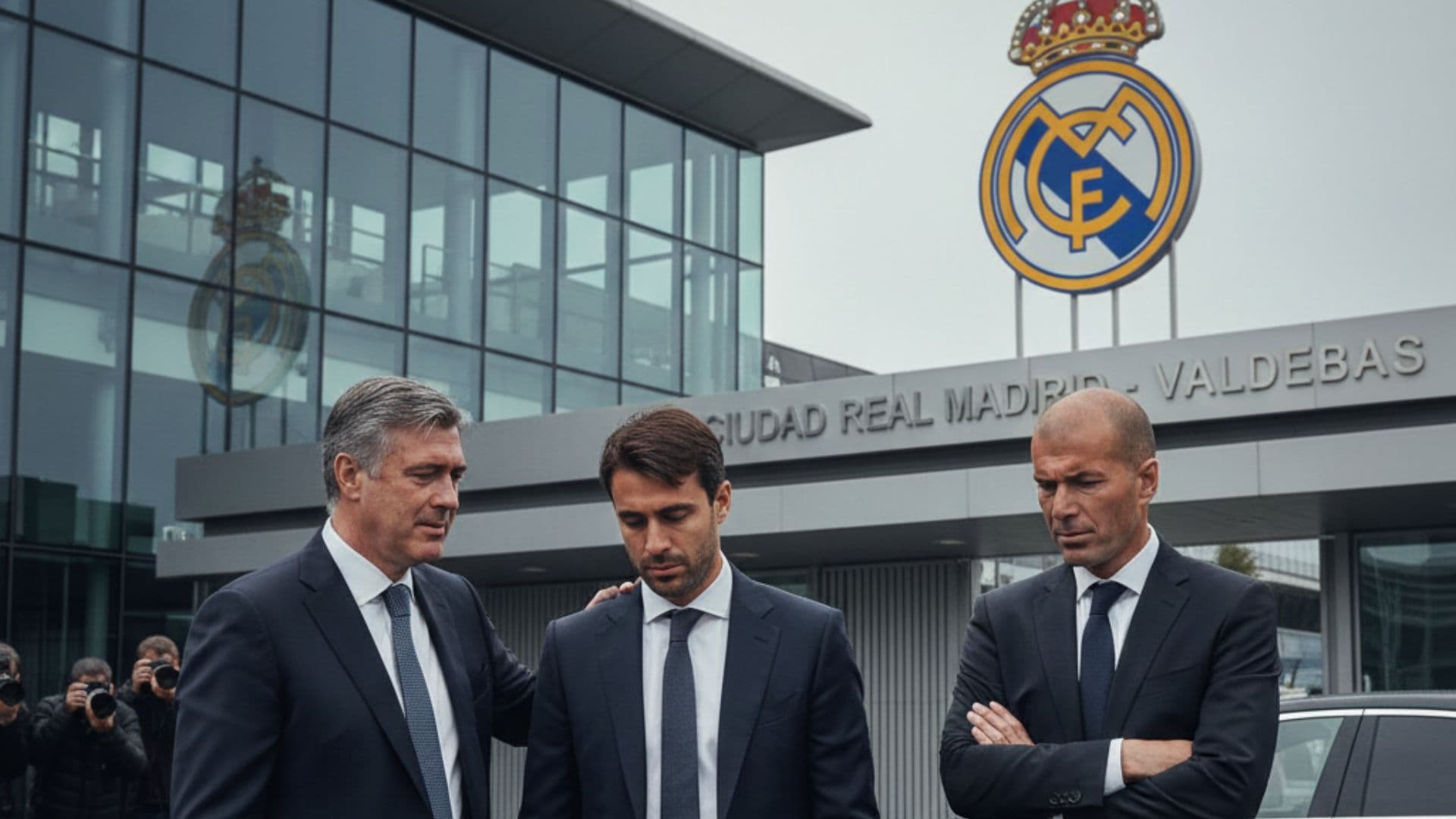

Managing Real Madrid is often described as the most prestigious yet volatile job in world football. At the Santiago Bernabéu, winning is not an option; it is a requirement. Over the last decade, the club has transitioned through different leadership styles, seeking a balance between tactical discipline and the management of superstar egos. Today, as the club looks toward the future, the arrival of Xabi Alonso has set a new benchmark for excellence. With an impressive 75% win rate, the Basque coach is not just managing a team; he is redefining the tactical identity of the "Merengues." But how does his performance compare to the giants who preceded him in the Casa Blanca?
Ancelotti: the master of locker-room
To understand Alonso’s current dominance, one must look back at the second tenure of Carlo Ancelotti. "Carletto" was the master of "La Gestión," a coach who thrived on flexibility and emotional intelligence. Under his guidance, Madrid secured multiple Champions League titles and domestic trophies, maintaining a win percentage that hovered around 70%. Ancelotti’s strength lay in his ability to adapt to his players' characteristics rather than forcing a rigid system. His departure marked the end of an era of pragmatic leadership, leaving a massive void that only a visionary could fill. This transition set the stage for a more structured and modern approach to the game.
Zidane, a symbol of elegance with a three-peat
Before Ancelotti’s return, Zinedine Zidane’s legendary stints provided the blueprint for success. Zidane, a symbol of elegance, achieved the impossible by winning three consecutive Champions Leagues. While his win percentage was remarkably high, his legacy was built on his aura and the respect he commanded in the dressing room. Zidane proved that at Real Madrid, the "identity" of the club is often more important than a specific tactical playbook. However, as football evolved toward high-pressing systems and data-driven transitions, the club realized it needed a tactical revolutionary to maintain its throne at the pinnacle of European football.
Xabi Alonso: an dominance without support
Enter Xabi Alonso. Since taking the reins, the former midfield maestro has injected a level of tactical sophistication rarely seen at the Bernabéu. His 75% performance rating is a testament to a philosophy built on positional play, suffocating pressure, and lightning-fast verticality. Unlike some of his predecessors, Alonso has managed to maintain this high efficiency while integrating young talents and navigating a demanding calendar. His Madrid doesn't just win; it dominates every phase of the game, making the "White House" look more impenetrable than ever. But as every Madridista knows, the true test of a manager's percentage lies in how they handle the inevitable storms of a long season.
The statistical leap from a 70% to a 75% win rate might seem marginal on paper, but on the pitch, it represents the difference between a great team and a historical one. Alonso has brought a sense of clinical predictability to a club that usually thrives on epic, last-minute miracles. By combining the poise he showed as a player with a modern coaching intellect, he has silenced critics who questioned his lack of extensive experience. As the season progresses, the pressure to maintain this elite level of performance will only intensify. The question remains: can Xabi Alonso sustain this record-breaking pace and turn these percentages into a trophy haul that surpasses the legends of the past?