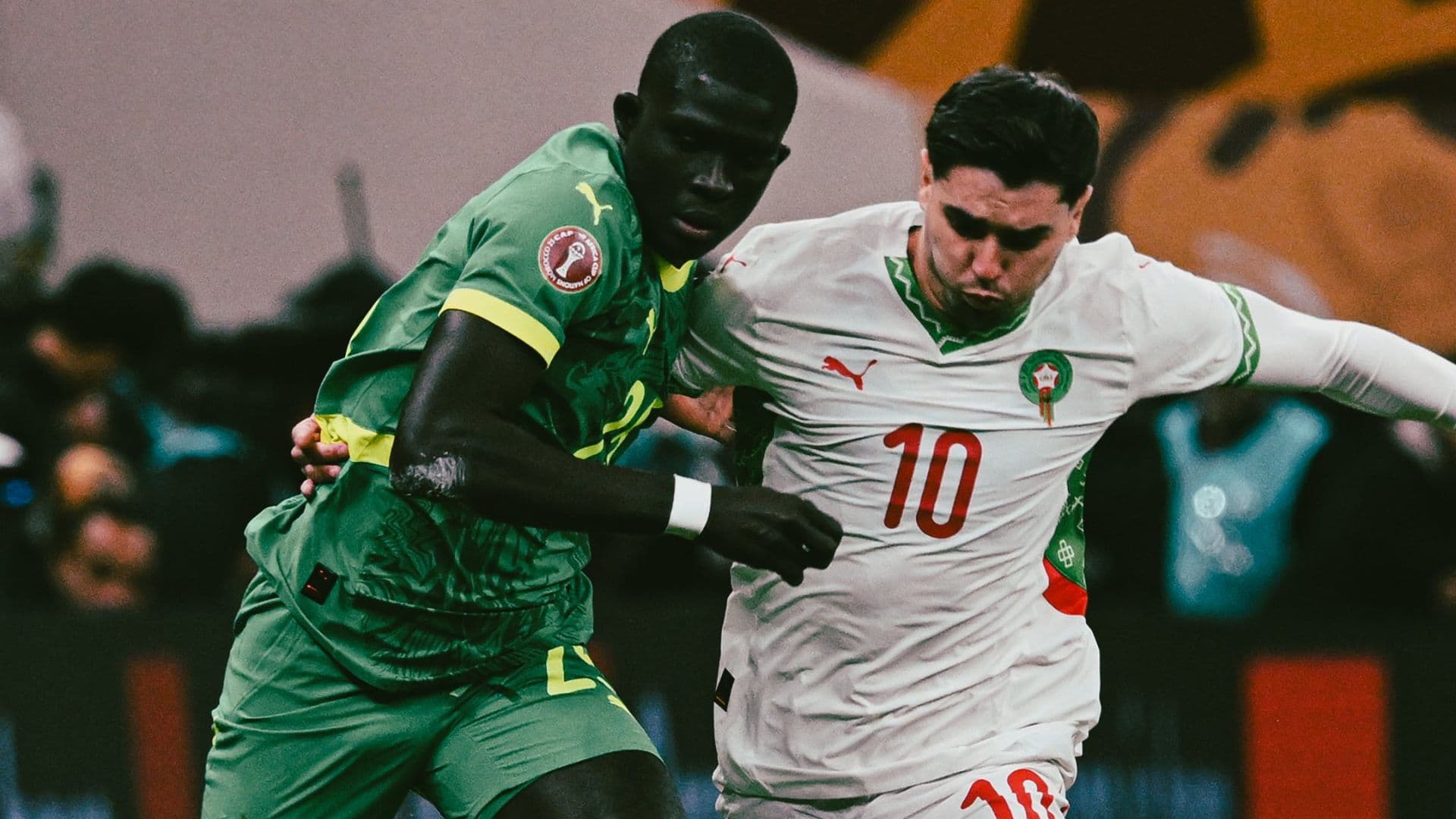

The final of the 2026 Africa Cup of Nations has left the world with one of the most polarizing images in modern football history. While Senegal stands as the new continental champion, the celebration has been quickly eclipsed by a disciplinary storm that threatens their upcoming participation in the 2026 FIFA World Cup. What started as a tactical battle in Rabat ended in a near-boycott, police intervention, and a series of events that Gianni Infantino has already labeled "unacceptable."
The crisis began in the 97th minute when Congolese referee Jean-Jacques Ndala Ngambo awarded a controversial penalty to Morocco. In a moment of pure fury, the Senegalese bench, led by manager Pape Thiaw, threatened to withdraw the team from the pitch. While Sadio Mané’s heroic intervention eventually convinced his teammates to stay, the damage to the image of the game—and the legal paperwork—was already done.
The "Hammer" of CAF: Fines and Suspensions
According to the Confederation of African Football (CAF) disciplinary code, the "Lions of Teranga" are facing a bleak legal outlook. Sources close to the federation suggest that Senegal could be hit with a financial penalty ranging from €50,000 to €100,000 for the behavior of their delegation and the reported clashes between fans and local authorities in the stands.
However, the financial blow is the least of their worries. CAF is currently reviewing footage to identify players and coaching staff who incited the walkout. Under current regulations, individuals involved could face suspensions of four to six official matches. Crucially, if FIFA decides to extend these sanctions to all international competitions, Senegal could arrive at the 2026 World Cup in North America without their key starters and technical leadership.
A Nightmare Scenario for Group I
For the North American audience, this is particularly significant. Senegal has been drawn into Group I of the 2026 World Cup alongside France, Norway, and a play-off winner (potentially Bolivia, Suriname, or Iraq). If the "Lions" are forced to play their opening matches against Kylian Mbappé’s France without their suspended stars, their chances of advancing from the group stage would drop drastically. Furthermore, the sanction could include playing several home matches behind closed doors and a ban on traveling fans for away fixtures.
Morocco Under Scrutiny: The "Towel Incident"
The hosts are not exempt from the fallout. Despite being awarded the "Fair Play" trophy minutes after the final, Morocco is under investigation for a series of unsportsmanlike actions. During extra time, several Moroccan ball boys were caught on camera attempting to harass Senegal’s backup goalkeeper and, most bizarrely, trying to steal Edouard Mendy’s towel.
In African football, the goalkeeper’s towel is often associated with psychological confidence and, in some cases, superstition. This attempt to "sabotage" Mendy was met with global derision. FIFA President Gianni Infantino, who was present at the Prince Moulay Abdellah Stadium, issued a stern statement:
"While we congratulate the winners, the scenes we witnessed both on and off the pitch are unacceptable. Professionals have a responsibility to set an example for the world."
What’s Next?
The next 48 hours will be decisive. The CAF Disciplinary Committee is expected to meet in Cairo to finalize the sanctions. For Senegal, the joy of the trophy is now a secondary concern compared to the survival of their World Cup roster. The "before and after" of African football in 2026 has arrived, and it is marked by a bitter legal battle that will define the continent’s representation on the world stage this summer.