2026 will not simply be another year on the U.S. sports calendar; it will be "Year Zero" of a new era. As the country prepares to co-host the largest FIFA World Cup in history, the narrative is shifting. It is no longer a question of whether soccer can survive in the land of football and baseball, but how the 2026 World Cup will permanently transform the culture, economy, and sports infrastructure of the North American giant.
With 48 teams, 104 matches, and venues spanning from New York to Los Angeles, the impact will be seismic. Here is an analysis of the pillars of this transformation that promises to leave an indelible mark.
1. The Consolidation of MLS and the Permanent "Messi Effect"
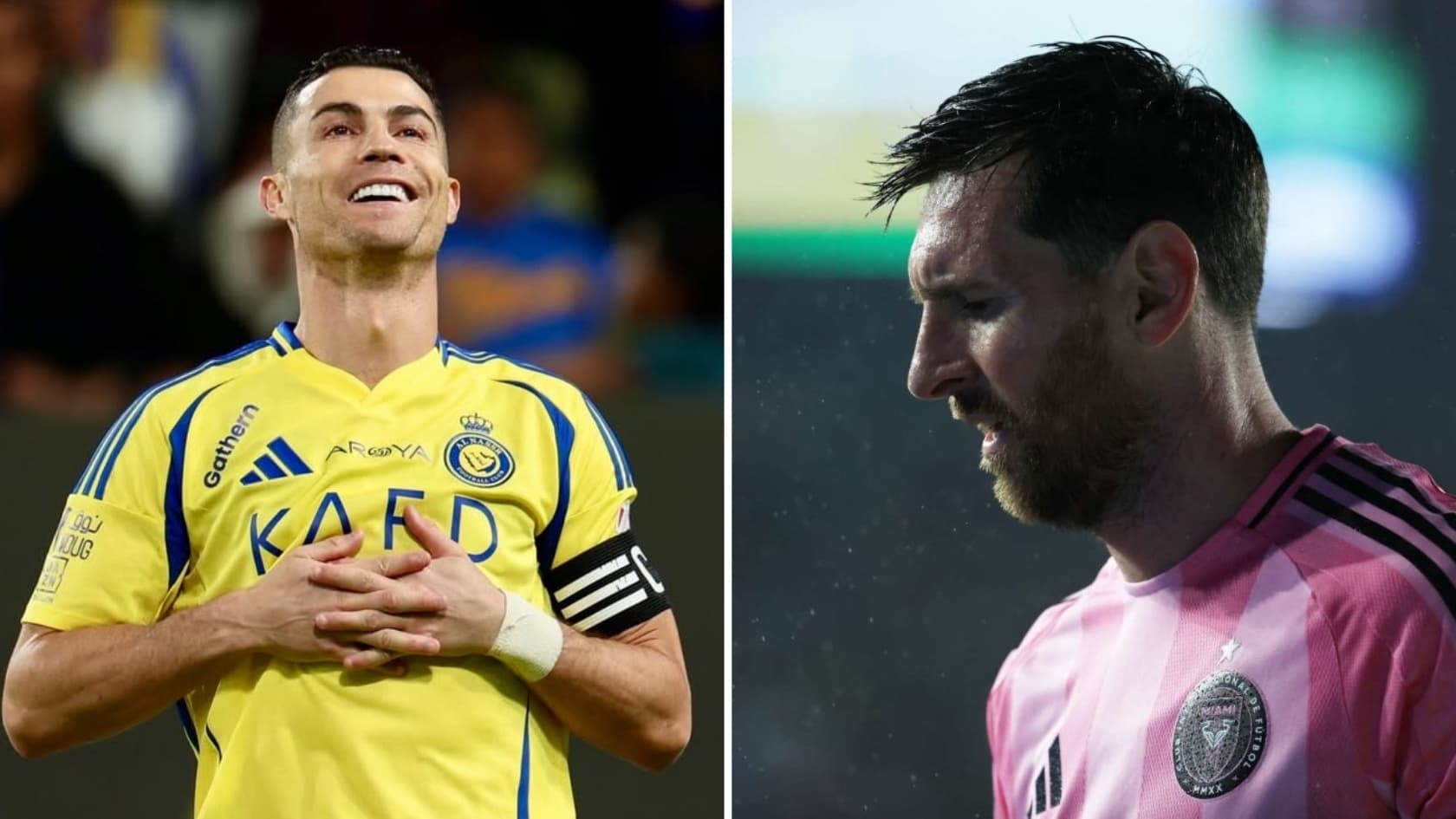
Lionel Messi's arrival at Inter Miami was the perfect prologue, but the World Cup will be the complete masterpiece. Major League Soccer (MLS) is in a prime position to capitalize on global attention. The stadium infrastructure and training centers used for national teams will remain as an elite legacy for local clubs.
Following the tournament, MLS is expected to experience a massive surge in foreign investment and the quality of signings. The World Cup will validate the United States not just as a "retirement" destination for stars, but as a competitive league capable of exporting and importing top-tier talent in their prime.
2. A Revolution in Infrastructure and Local Economy
The economic impact, estimated in the billions of dollars, is not limited to ticket sales. Cities like Atlanta, Dallas, Houston, and Miami are undergoing massive renovations in their transportation and connectivity systems. Investment in stadium technology—such as 5G connectivity, augmented reality experiences, and sustainability—will set a new global standard for sports entertainment.
Furthermore, the 2026 World Cup will serve as an unprecedented commercial showcase. American brands are integrating soccer into their long-term marketing strategies, ensuring that the flow of capital into the sport does not stop once the trophy is hoisted at the final.
3. The Growth of Local Talent: The 2026 Generation
For the U.S. Men's National Team (USMNT), playing at home is the ultimate opportunity to join the global elite. The U.S. academy system has made an impressive leap in quality, sending players to Europe’s top leagues. The World Cup will act as the catalyst for soccer to become the number one choice for the country’s top young athletes, competing directly with the NBA or NFL.
The "mirror effect" of seeing world stars in their own cities will inspire a generation of children who, for the first time, will see soccer as the king of sports in their own land. The development of women's soccer, where the U.S. is already a powerhouse, will also receive a media boost that will solidify its global leadership.
4. Conquering the Hispanic Audience and Multiculturalism
The 2026 World Cup will be a cultural bridge. The United States is home to millions of fans from Mexico, Central America, and South America. Due to the country's demographics, this tournament will be the first to feel like a "home World Cup" for multiple nations. This cultural fusion will raise the level of passion in the stands and force media outlets to treat soccer with the same depth and rigor as traditional American sports.
A Legacy Without an Expiration Date
Unlike 1994, where the goal was to introduce the sport, the objective of 2026 is total domination and integration. The United States will become the epicenter of world soccer, not just because of logistics, but because of passion. The transformation will be social; soccer will cease to be seen as a "foreign" sport and will become a core part of the American identity.
When the final ball rolls in 2026, the United States will not only have hosted the most lucrative World Cup in history, but it will have completed its metamorphosis: that of a nation that finally learned to speak the universal language of the goal.