
While Lionel Messi is universally regarded as the greatest footballer in history, he has always maintained a fortress of privacy around his personal life. Unlike other global superstars, the Argentine captain rarely addresses his intimacy, his family, or the personal struggles he has faced off the pitch. This is why his recent admissions regarding mental health and therapy during his tenure at FC Barcelona have taken the world by surprise.
In a candid interview on the Argentine streaming channel LUZU, Messi presented a relaxed image, engaging in a comfortable dialogue where he was willing to tackle subjects he usually avoids. During this wide-ranging conversation about his life and career, the star from Rosario dropped a bombshell: throughout his time at Barcelona, he turned to therapy to manage personal and emotional challenges.
Breaking the Habit of Suffering in Silence
Messi admitted that he is not naturally someone who externalizes his feelings. On the contrary, he explained that for many years, he had the habit of "bottling things up" and facing problems alone—a mindset he eventually realized needed to change.
“I don’t do therapy now, but I did back in the day, in Barcelona. I used to keep everything to myself, to deal with problems on my own. I’ve changed a lot,” the World Cup champion confessed, revealing a process of personal growth that transcends football.
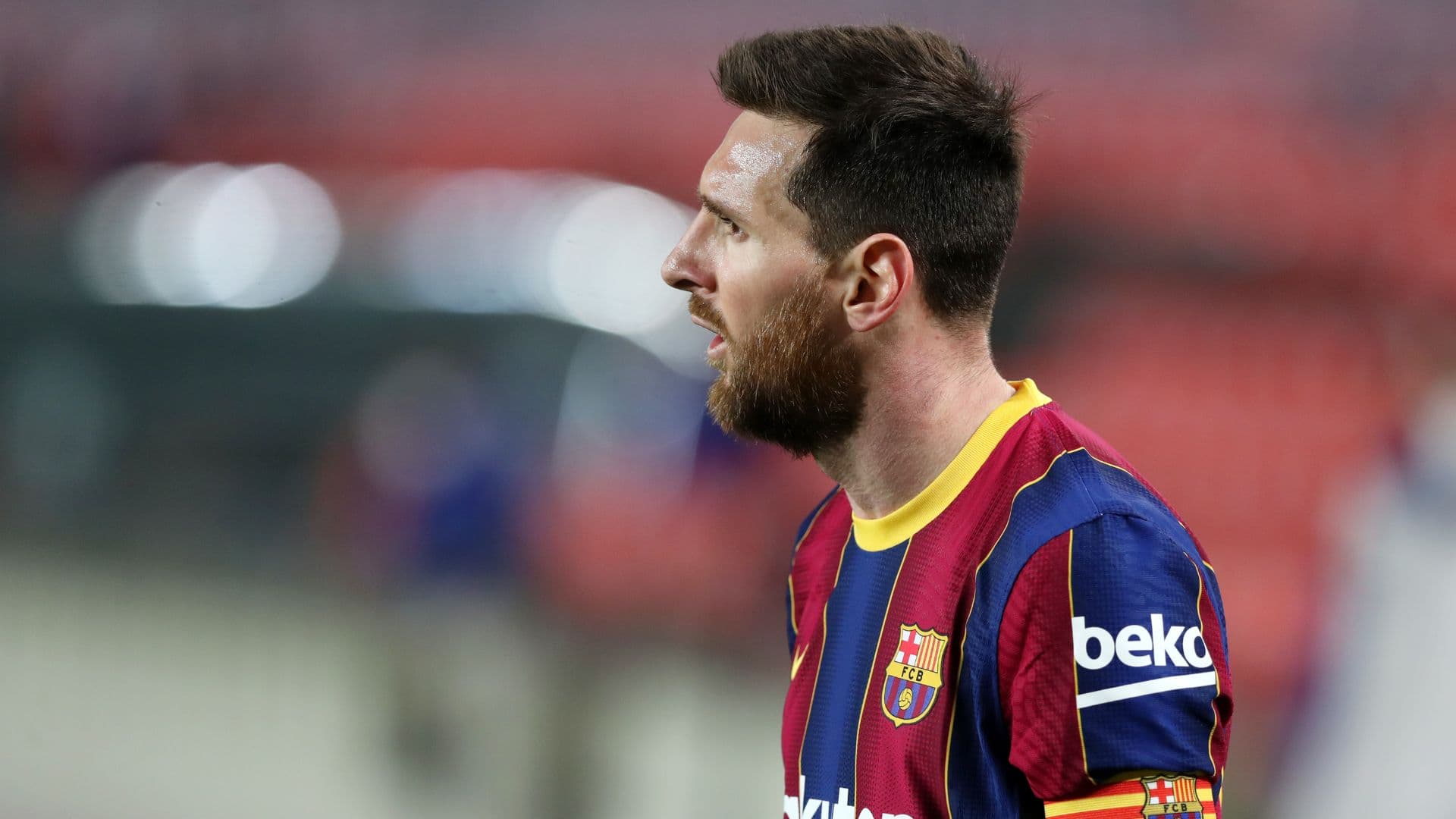
This realization is even more significant when considering the immense pressure of his final years at the Catalan club. The burden of performing at the highest level, disproportionate expectations, institutional turmoil at Barça, and ultimately his abrupt departure created a breaking point in his career and his emotional well-being, leading him to seek professional help.
The Role of Family and "Jorge Messi"
While professional therapy helped him navigate his inner emotions, Messi also revealed that he has always had a primary reference point for venting the pressures of the game: his father, Jorge Messi.
“On the sporting side, I talk a lot with my dad. In that sense, it was always my old man. The game would end and I’d write to him. In the day-to-day, I lean on my family,” the footballer shared, highlighting the fundamental role his inner circle plays in his emotional stability.
A Powerful Message for the Sporting World
These statements bring a recurring theme in high-performance sports back to the forefront: mental health. Having a figure as monumental as Lionel Messi speak openly about therapy and the need to change how emotions are managed not only humanizes him but also sends a powerful message to millions of people facing similar struggles.
Moving away from the myth of the invulnerable athlete, Messi showed that even the best in the world face moments of difficulty, internal doubt, and complex personal processes. His message is clear: asking for help is not a weakness; it is a vital tool for growth both on and off the field.