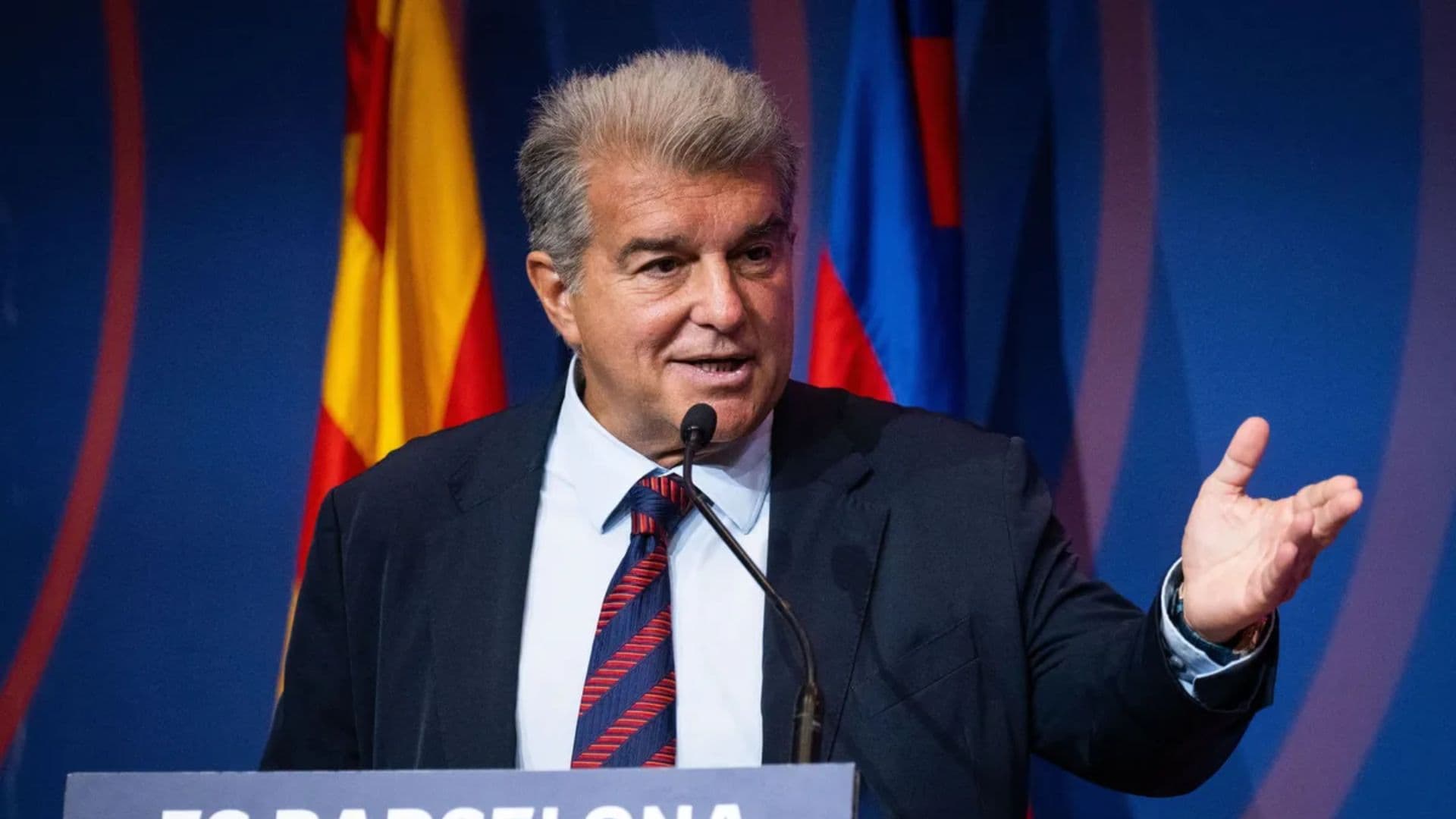

Joan Laporta is on the move again. In a move that has sent shockwaves through the Catalan capital, the FC Barcelona president has formally submitted his resignation. However, this is far from a white flag; it is a calculated, statutory maneuver to trigger new elections where Laporta will seek a renewed mandate to lead the "Blaugrana" through the most transformative era in their modern history.
On March 15, 2026, the club’s socis (associates) will head to the polls to decide if Laporta deserves to finish what he started or if it is time for the keys to the Camp Nou to change hands.
The "Statutory" Resignation
To be clear: this is not an internal crisis or a loss of support. According to the FC Barcelona Statutes, a sitting president must resign to call for elections. This rule is designed to ensure a level playing field, preventing the incumbent from using the club’s institutional machinery to gain an unfair advantage during the campaign.
While the president steps aside, the club will not be rudderless. An interim management commission (comisión gestora) has been established, led by Rafa Yuste, the current Sporting Vice President and one of Laporta’s most loyal lieutenants. Yuste’s mission is simple: keep the lights on and maintain institutional stability while the candidates enter the "war room."
The Rivals: Font’s Revenge and the Signature Filter
While Laporta enters the race as the favorite, the road to March 15th will be anything but a "walk in the park." Víctor Font is back on the battlefield, hungry for revenge after finishing second in 2021. Font has spent the last five years sharpening a discourse focused on structural transformation, economic sustainability, and a modernized digital management model.
However, Font isn't the only one eyeing the throne. Marc Ciria, Xavier Vilajoana, and Joan Camprubí have all expressed their intent to run. But first, they must pass the ultimate "filter": collecting 2,321 valid signatures from club members. Historically, this requirement has acted as a guillotine, drastically thinning the field of candidates before a single vote is even cast.
The Campaign Pillars: Camp Nou and the Messi Ghost
The election will likely be won or lost on two fronts: the checkbook and the heart.
- The New Camp Nou: The stadium’s massive renovation project, plagued by delays and rising financial costs, will be the central axis of debate. Laporta will defend his management as the only one capable of delivering the stadium without bankrupting the club. His rivals, meanwhile, will question the transparency of the loans and the feasibility of the deadlines.
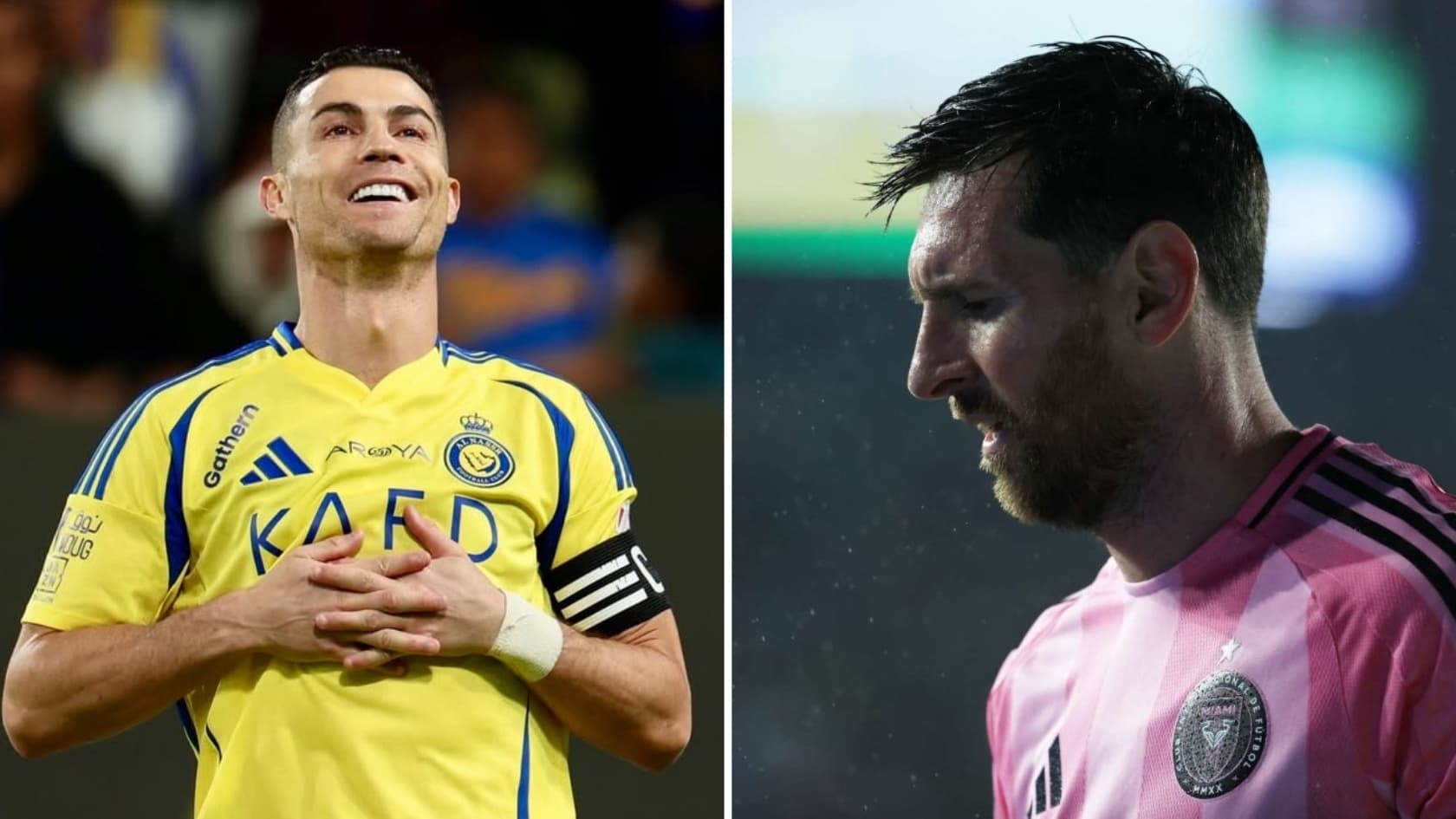
- The Messi Factor: Despite Lionel Messi currently dominating in the twilight of his career elsewhere, his name remains an electoral weapon. While a return as a player is off the table for 2026, the promise of an institutional role or a massive "proper" farewell tribute remains a powerful tool to sway the emotional vote of the socios.
As the calendar turns toward March, Barcelona enters a decisive period. This isn't just about electing a face; it’s about choosing the direction for a club still struggling to find its financial footing while desperately trying to reclaim its identity on the European stage.